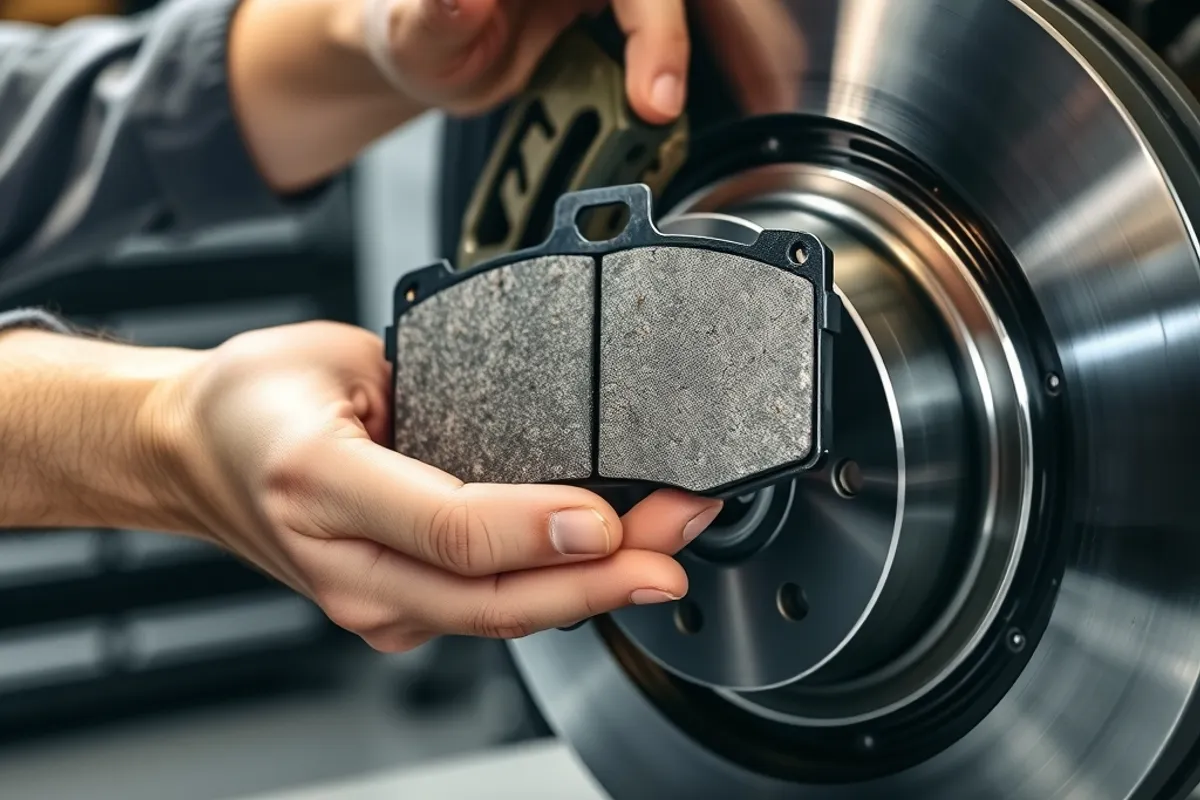
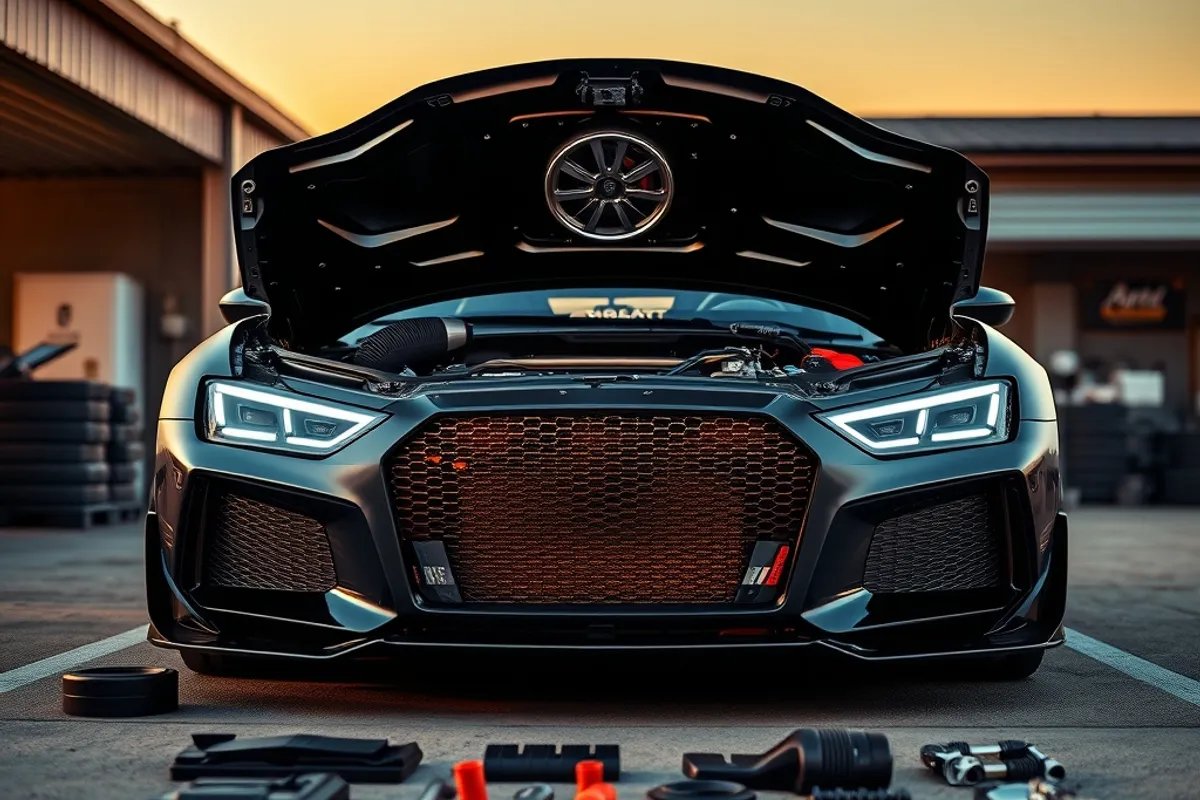
Brake pads are the cheapest safety part you will ever replace, and the difference between a good set and a bad one is measured in metres, not marketing slogans. We fitted eight sets to the same mid-size sedan and drove 12,000 miles of stop-start city work, highway cruising and repeated emergency stops from 60 mph. We measured stopping distance, dust build-up on the wheels, cold squeal and how each pad behaved after a long descent.
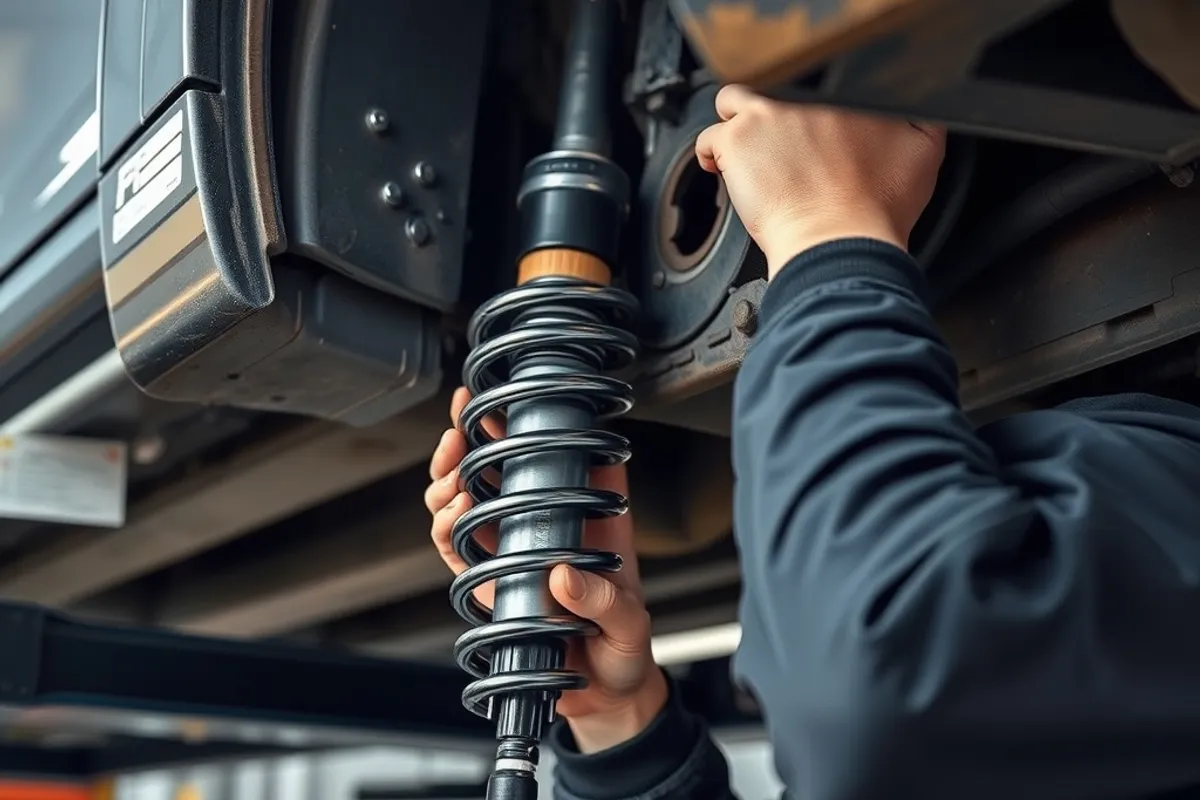
Shock absorbers do not fail with a bang. They fade, mile after mile, until a car that once felt planted starts to float over dips and take an extra beat to settle after a corner. Because the decline is gradual, most drivers adapt without noticing, which is exactly why tired dampers are one of the most commonly missed safety problems on older cars. Here are the seven signs we look for in the workshop, plus what replacement actually costs in 2026.
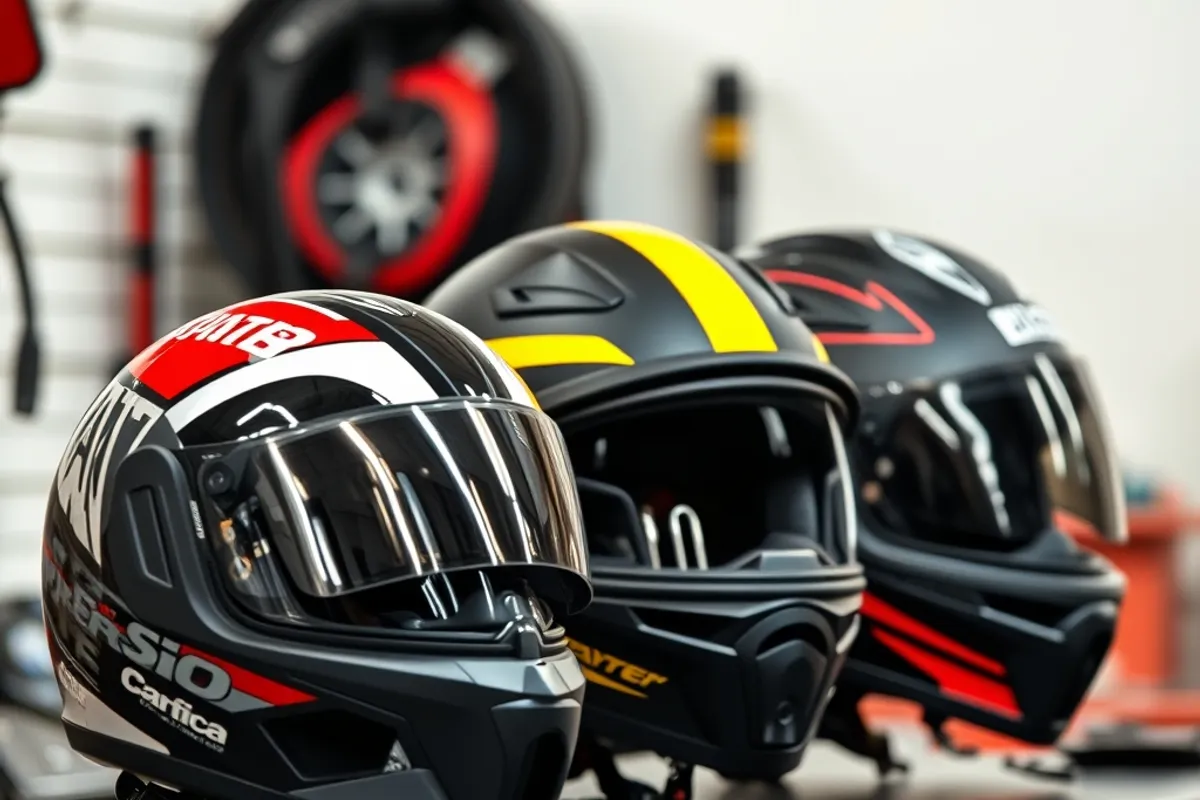
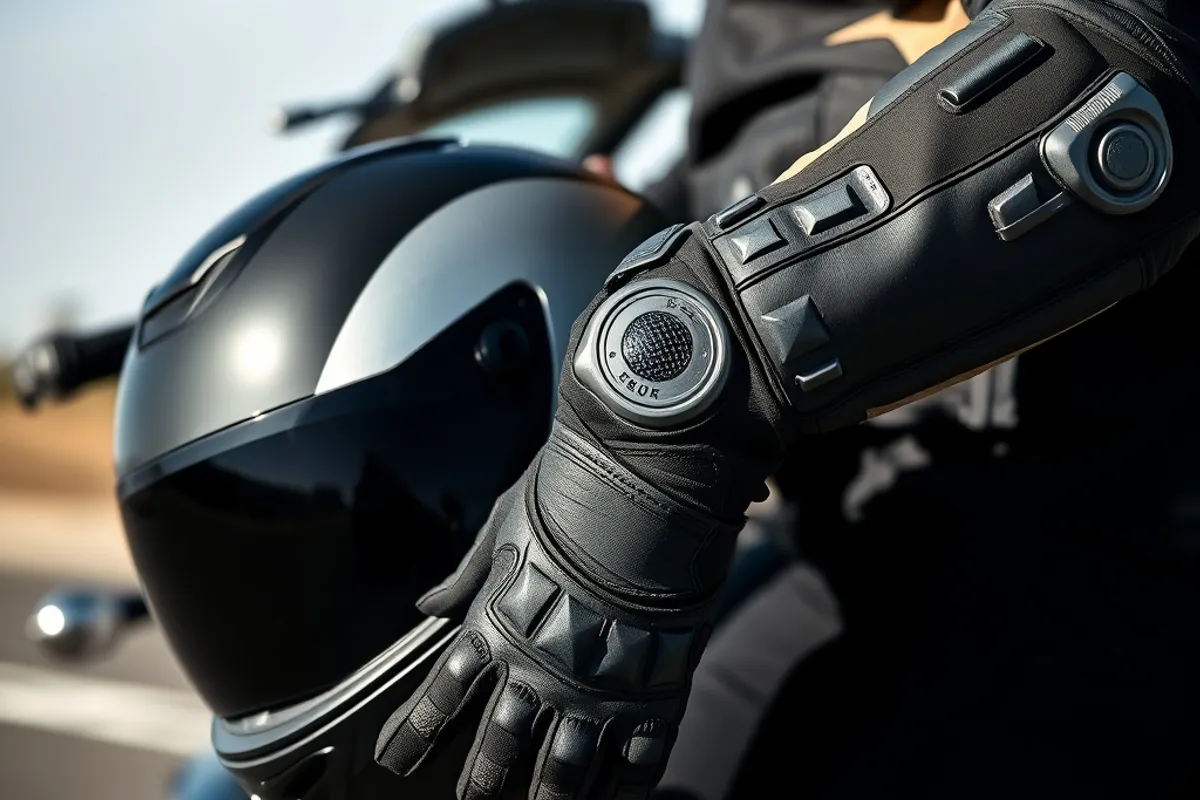
A helmet is the one piece of motorcycle gear that decides how a crash ends, and fit matters almost as much as the shell. A perfectly rated helmet that sits too loose will rotate and come off in a slide, while a well-fitted mid-priced helmet can outperform an expensive one that never sat right. We tested ten 2026 helmets over 3,000 miles of commuting, highway and twisty-road riding, scoring impact certification, fit range, noise, ventilation and value.
Most riders spend far more time choosing a bike than a jacket, yet the jacket is what stands between your skin and the road in a slide. The good news is that protection has never been more affordable: quality armor, certified abrasion resistance and weather sealing have all moved down the price range. The catch is that a jacket only protects you when the armor stays in place, so fit and adjustment matter more than the badge on the sleeve. This guide explains what to look for in 2026.
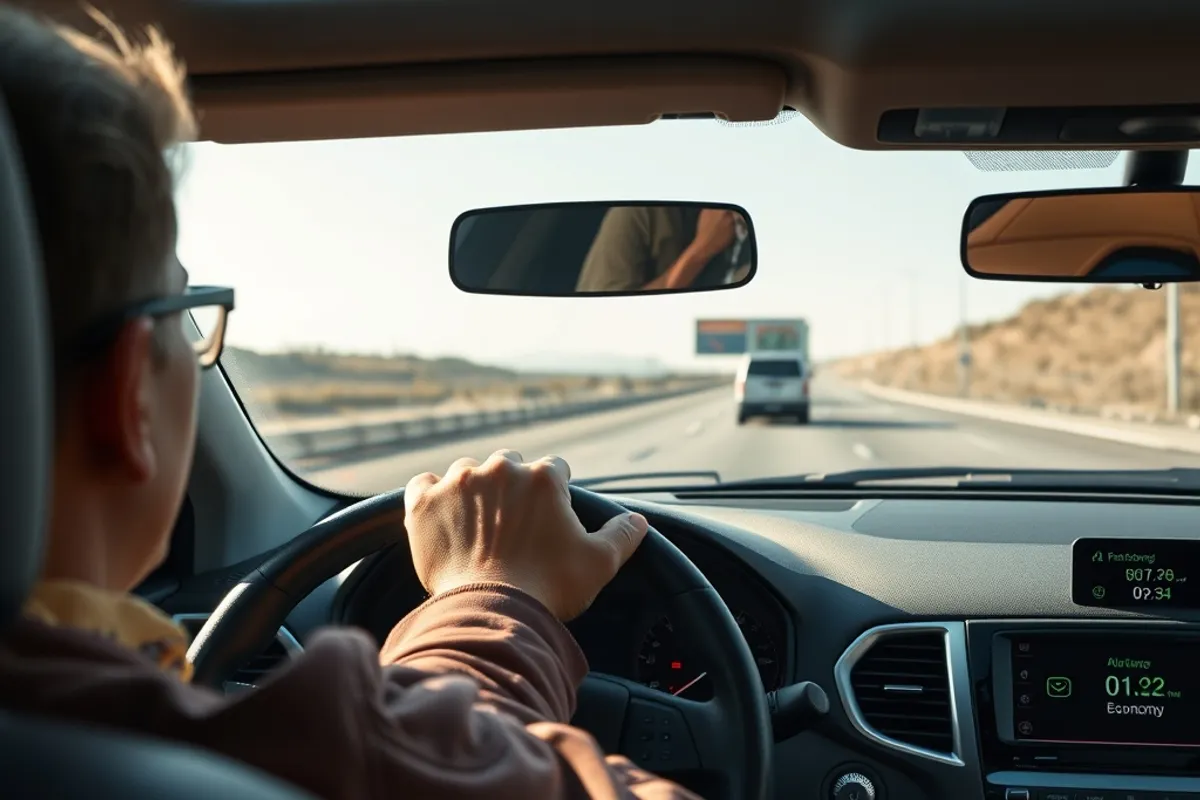
Fuel economy is where small habits quietly add up to hundreds of dollars a year. Over eight weeks we drove the same mid-size sedan and a compact SUV on identical commute, highway and errand routes, changing one behaviour at a time and logging every fill. Some popular tips were worth real money; others barely registered. Here are the fourteen habits we tested, ranked by how much they actually saved at the pump in 2026.
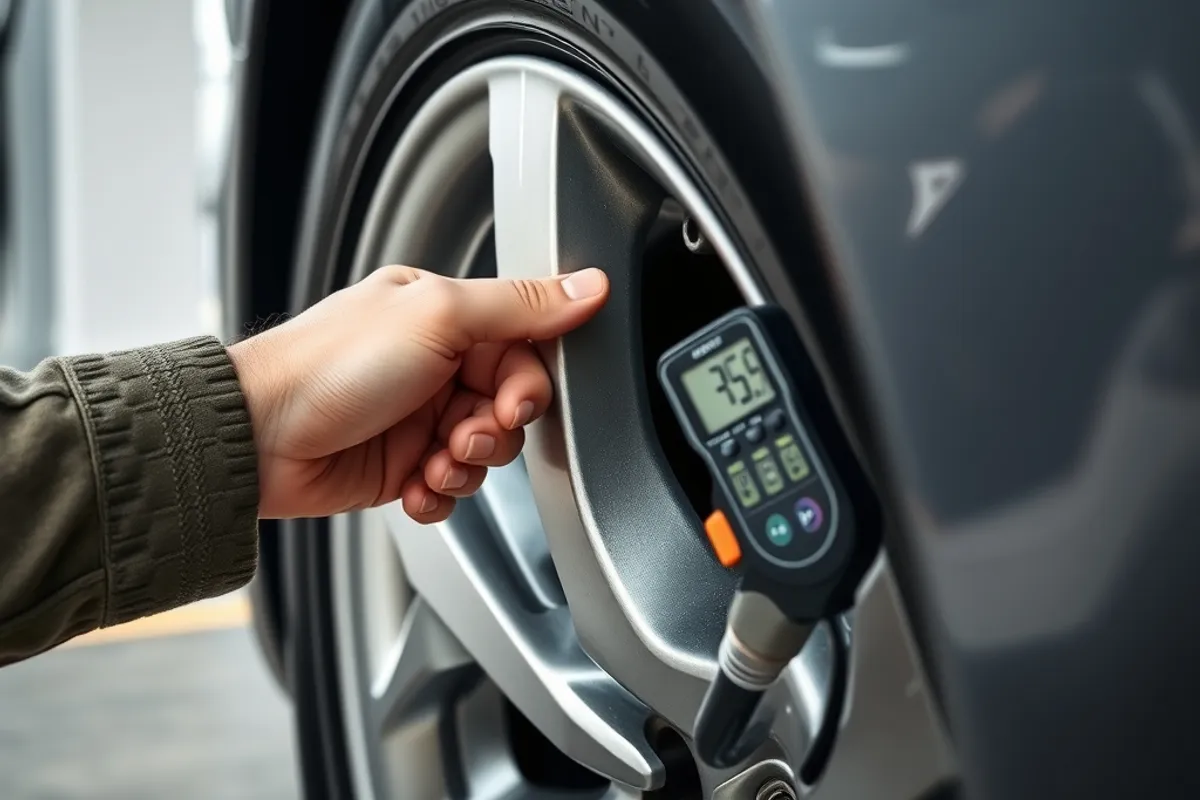
Few car tips get repeated as often as this one: keep your tyres inflated and you will save fuel. It is true, but the real numbers are more interesting than the slogan. We took the same sedan and ran controlled 120-mile highway loops at three tyre pressures, logging fuel use, tread wear and how the car felt, to find out exactly how much pressure matters and when the advice stops being useful.
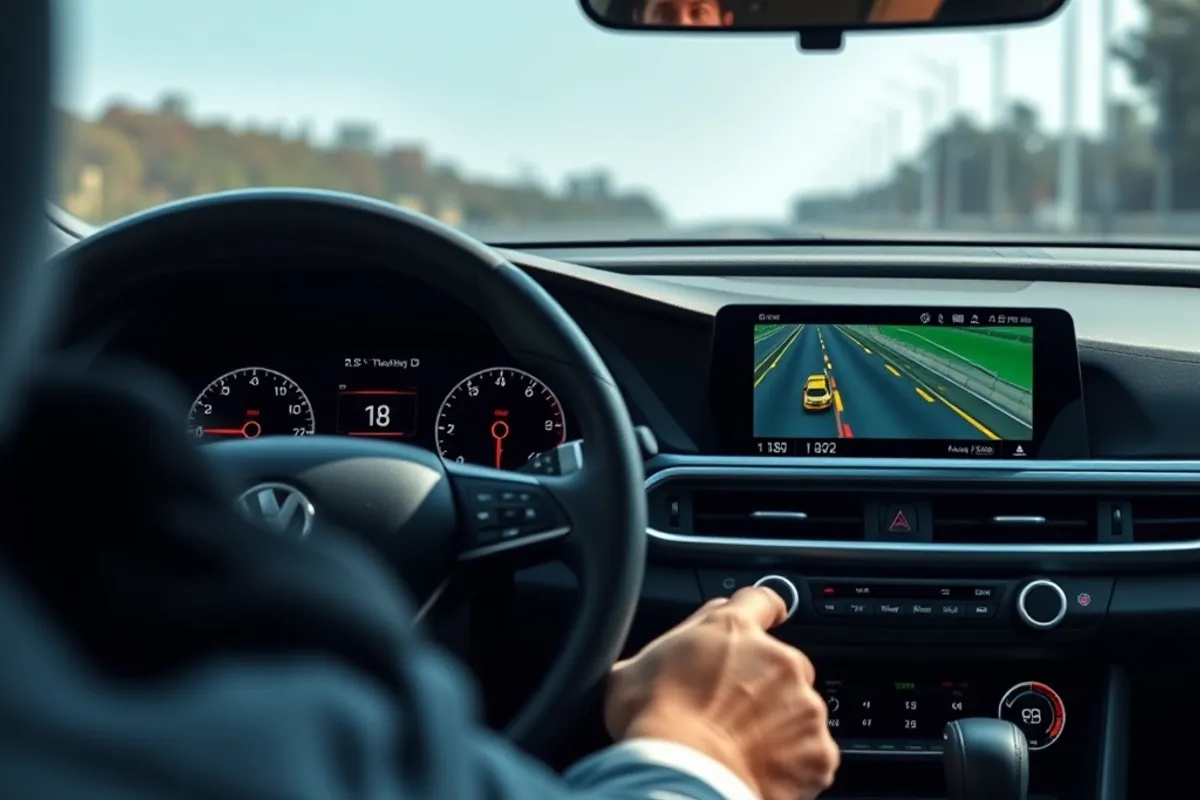
Driver-assist systems have moved from luxury option to near-standard equipment, but not every feature earns its place. Some genuinely reduce fatigue and prevent crashes; others nag, misread the road or simply duplicate something your eyes already do. We spent three weeks with six 2026 vehicles, driving each on the same highway, city and rural routes, scoring adaptive cruise, lane assistance, blind-spot monitoring, automatic emergency braking and the newer hands-free systems on usefulness, reliability and annoyance.
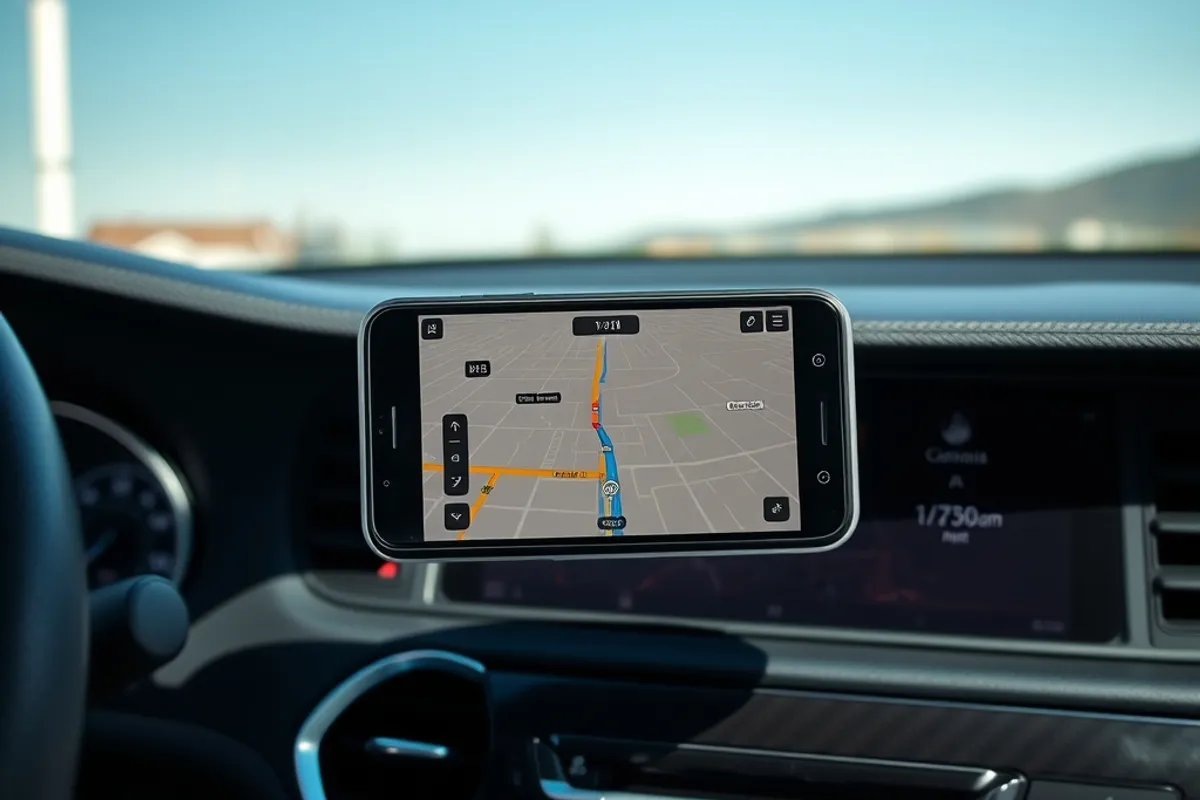
CarPlay and Android Auto have quietly become the most important screens in most cars, replacing clunky built-in navigation with the maps and messages we already use. The only real question in 2026 is whether to run them wirelessly or keep the cable, and whether an older car can join in at all. We spent a month using both connection types across several vehicles to see where wireless wins and where it still frustrates.
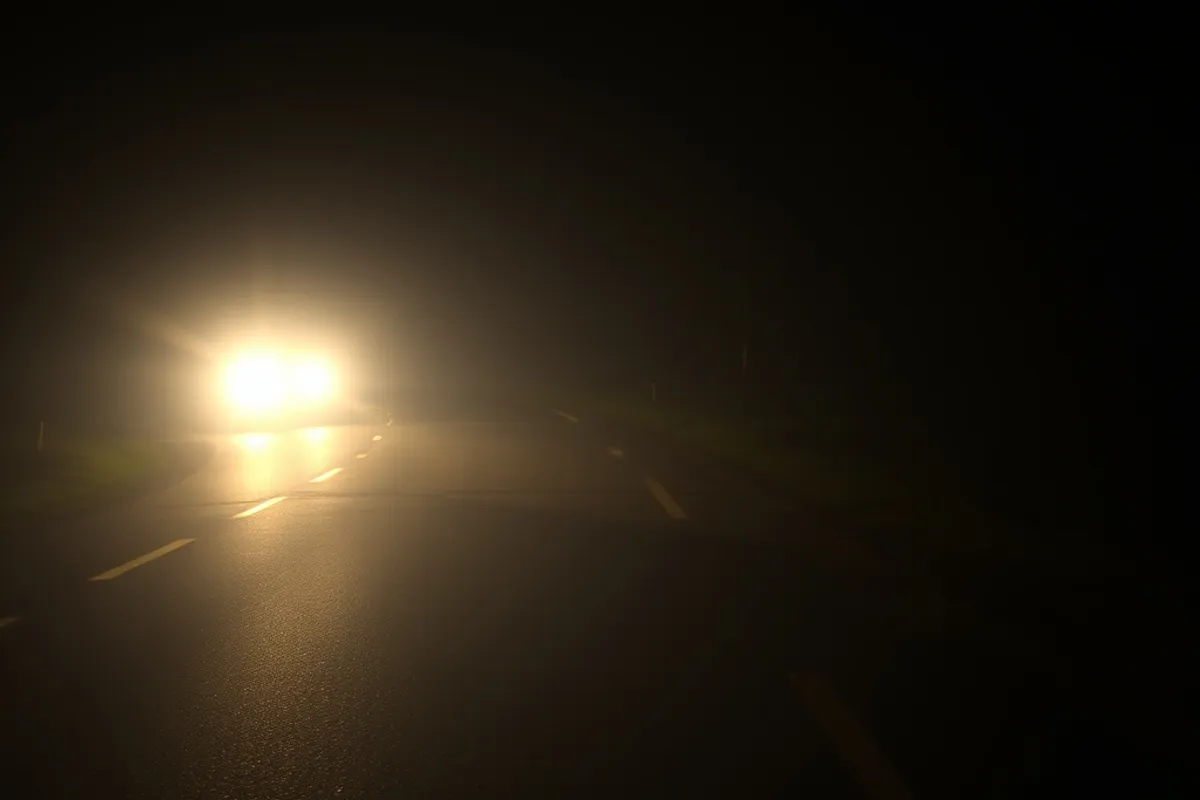
Driving at night concentrates risk. You see less, you tire faster, and oncoming glare can blind you for a second or two at the worst moment, which at highway speed is more than 100 feet of blind travel. Yet most drivers get no night-specific training, only more experience. These twelve habits come from test-track work and long night drives, and each one is simple enough to adopt on your next journey after dark.
Every franciegrubba guide starts on the road, not at a desk. We fit the same parts to the same cars and measure stopping distance, dust and noise; we wear the same helmets and jackets over thousands of miles of commuting; and we log every fuel fill before we recommend a habit. Prices come from real retail data collected monthly, and safety claims trace to official crash-test programs.
We accept no sponsored placements and rank by measured results: observed fuel economy, wet and dry stopping, harness and armour fit, and how driver-assist systems behave in real traffic. When a product disappoints, we print exactly why. Read our testing charter on the about page, compare official figures at the fuel-economy database, and verify crash safety at NHTSA ratings before you buy.