How to Improve Fuel Economy: 14 Habits Tested for Real Savings

Fuel economy is where small habits quietly add up to hundreds of dollars a year. Over eight weeks we drove the same mid-size sedan and a compact SUV on identical commute, highway and errand routes, changing one behaviour at a time and logging every fill. Some popular tips were worth real money; others barely registered. Here are the fourteen habits we tested, ranked by how much they actually saved at the pump in 2026.
The habits that saved the most
Driving smoothly, not slowly, was the single biggest lever. Accelerating firmly to cruising speed and then holding it steady beat timid acceleration followed by constant small corrections by close to 4 mpg on our commute loop. Anticipating traffic so you coast down instead of braking late saved more than any gadget. Keeping tyres at the correct pressure added about 3 percent, and removing a roof box when it was not needed recovered roughly 8 percent on the highway. None of these cost money, which is why they top the list.
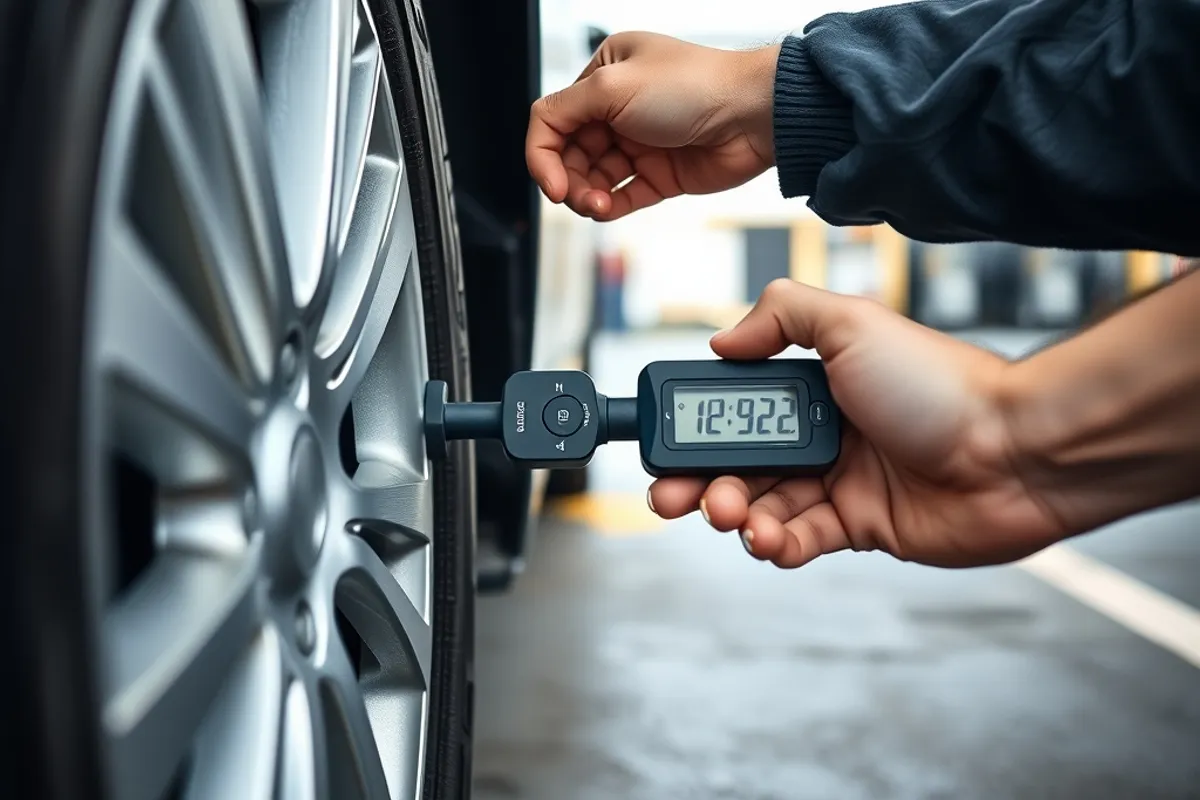
Tyre pressure: tiny effort, real saving
Under-inflated tyres increase rolling resistance, wear faster and hurt handling, and they are the easiest economy gain to capture. Check pressures monthly when the tyres are cold, using the placard on the driver's door rather than the number on the tyre wall. Losing just 6 psi can cost around 3 percent in fuel and shorten tyre life noticeably. Do not overinflate to chase a number; you gain little and lose grip and comfort. For the full picture, see our guide to tyre pressure and fuel economy.
Reduce weight and drag
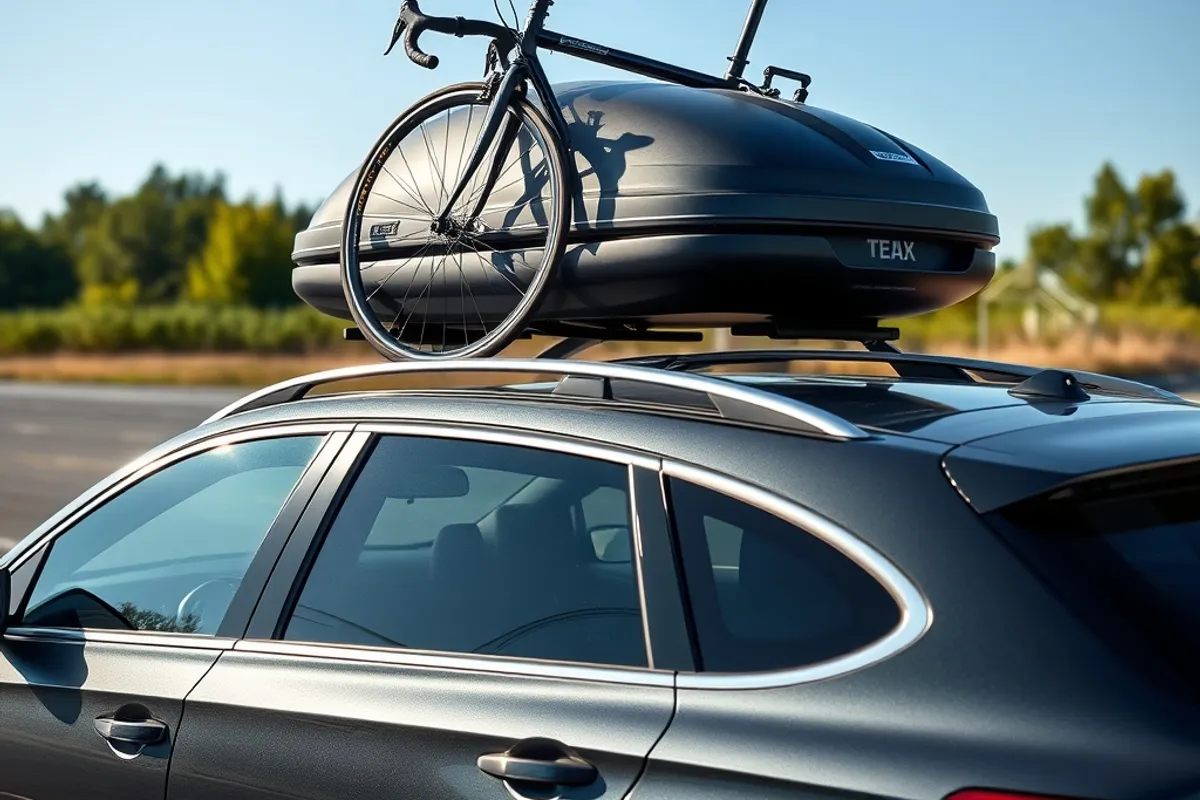
Every 100 pounds of unnecessary load costs a little fuel, but aerodynamics matter more at speed. A roof box can add 10 to 25 percent to highway consumption, and an empty bike rack is not far behind. Strip what you do not need for the trip, and keep the windows up above 50 mph because open windows drag more than air conditioning. A clean car helps too: mud and road grit add weight and drag, small amounts, but free to remove. Combined, these changes recovered around 8 percent on our highway runs.
Idling, warm-up and short trips
Modern engines do not need a long warm-up; idling burns fuel and puts needless wear on the engine. Ten minutes of daily idling costs roughly $40 a year at 2026 prices and pollutes for nothing. Switch off when you expect to wait more than a minute, and combine errands so the engine reaches full temperature more often. Very short trips are the worst case for both fuel and engine wear, because the car never warms up. If your commute is under two miles, walking or cycling is the cheapest economy measure there is.
"Fuel economy is mostly a driving style, not a product. The cheapest modification is the one you make to your right foot."
Maintenance that pays back
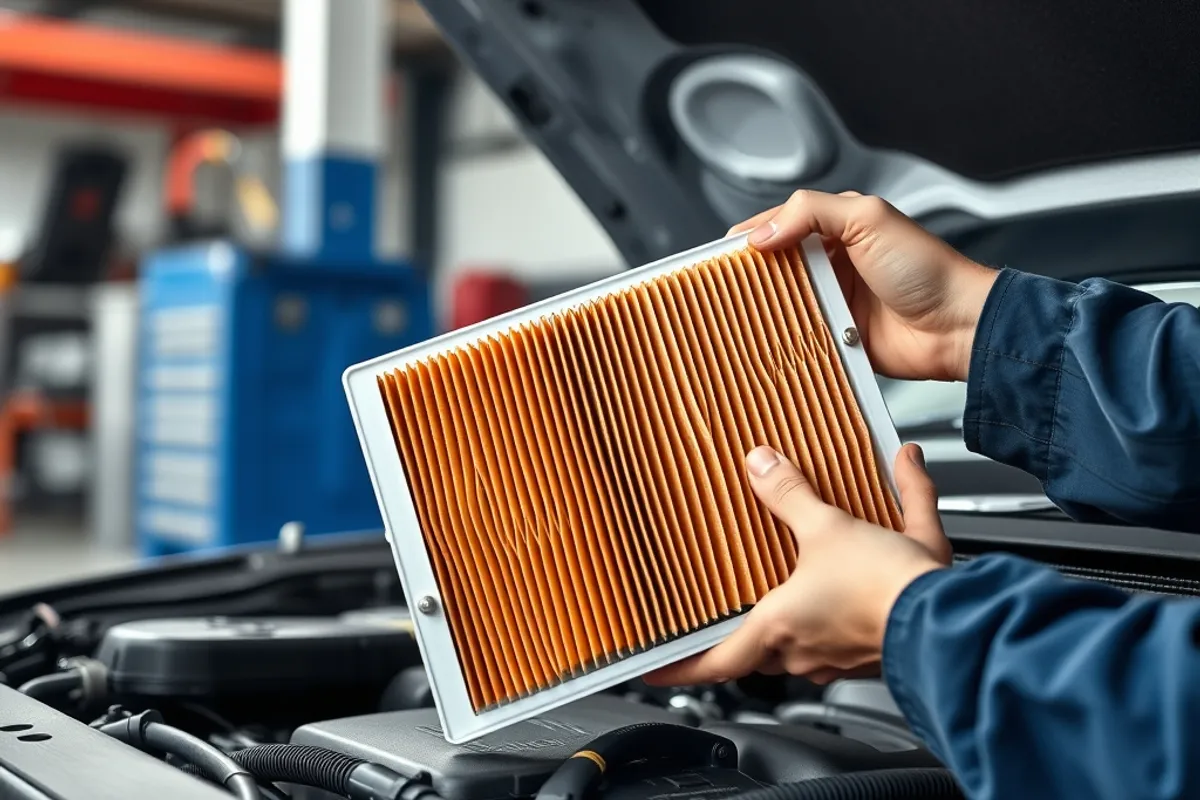
A clogged air filter, tired spark plugs, a lazy oxygen sensor or dragging brakes all quietly add to consumption. Follow the service schedule, replace the air filter when it is dirty, and have the alignment checked if the car pulls or tyres wear unevenly. Correct alignment alone can save a few percent if it is badly out. Use the engine oil grade the maker specifies, because thicker oil increases internal friction. None of this is exotic; it is the basic maintenance your car already asks for, done on time.
Speed, gears and cruise control
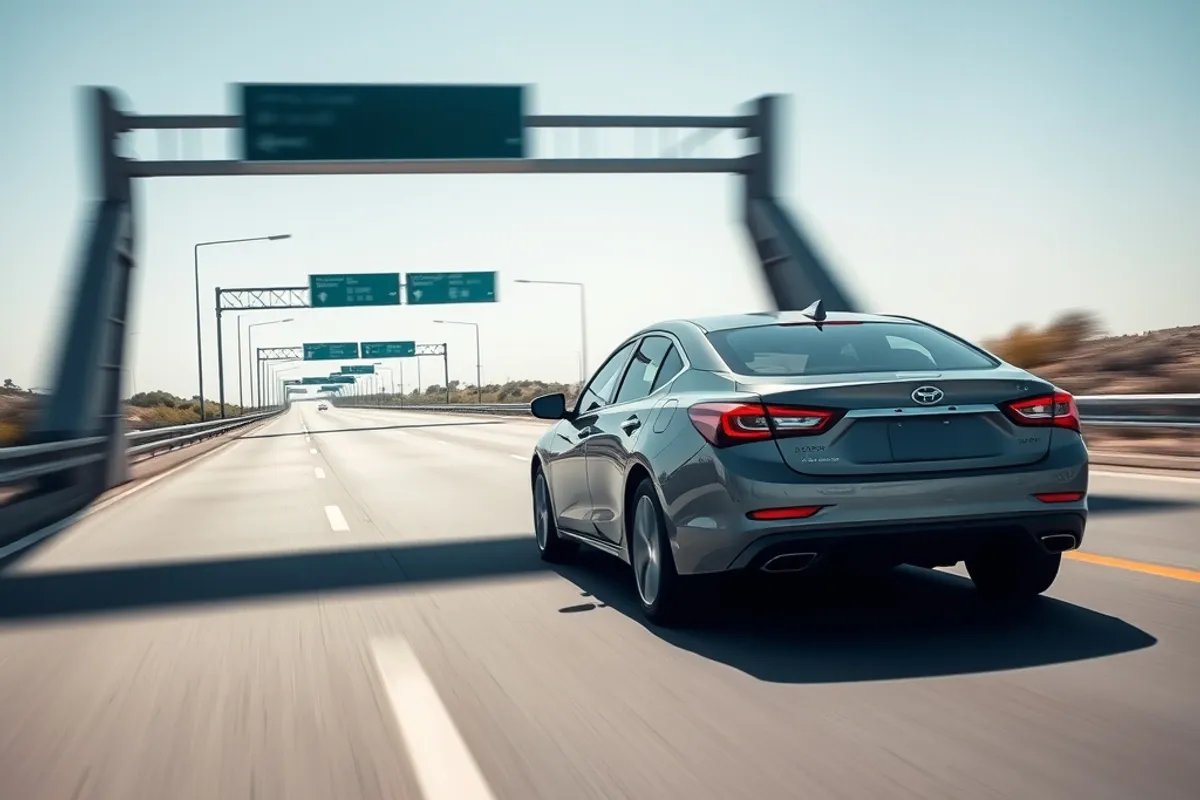
Fuel use climbs steeply above about 55 mph because aerodynamic drag rises with the square of speed. Slowing from 75 to 65 mph on a highway run saved us roughly 12 percent. Use the highest gear that does not lug the engine, and let an automatic shift early rather than overriding it. Cruise control helps on flat, steady roads but hurts economy on hills, where it holds speed rather than letting the car run. On long highway trips, a small speed reduction beats almost every driving trick in this list.
Gadgets and fuel-saving claims
Magnetic fuel savers, intake swirl devices and miracle additives did nothing measurable in our testing, and some are outright snake oil. Fuel-economy displays and trip computers are genuinely useful because they turn your right foot into feedback. Tyre pressure monitoring helps you catch slow leaks. Everything else, from aerodynamic body kits to premium fuel you do not need, is money better left in your pocket. Verify claims against official data at the US fuel-economy database before you buy anything promising big savings.
The bottom line
Drive smoothly, keep tyres at the right pressure, shed extra weight and drag, stop idling and keep up with maintenance. Those five habits together saved us close to 15 percent, worth several hundred dollars a year, with no parts to buy. Track your own numbers over a few tanks and you will see the effect immediately. More practical advice waits in the Fuel Efficiency section.