Best Brake Pads 2026: 8 Sets Tested for Bite, Dust and Noise
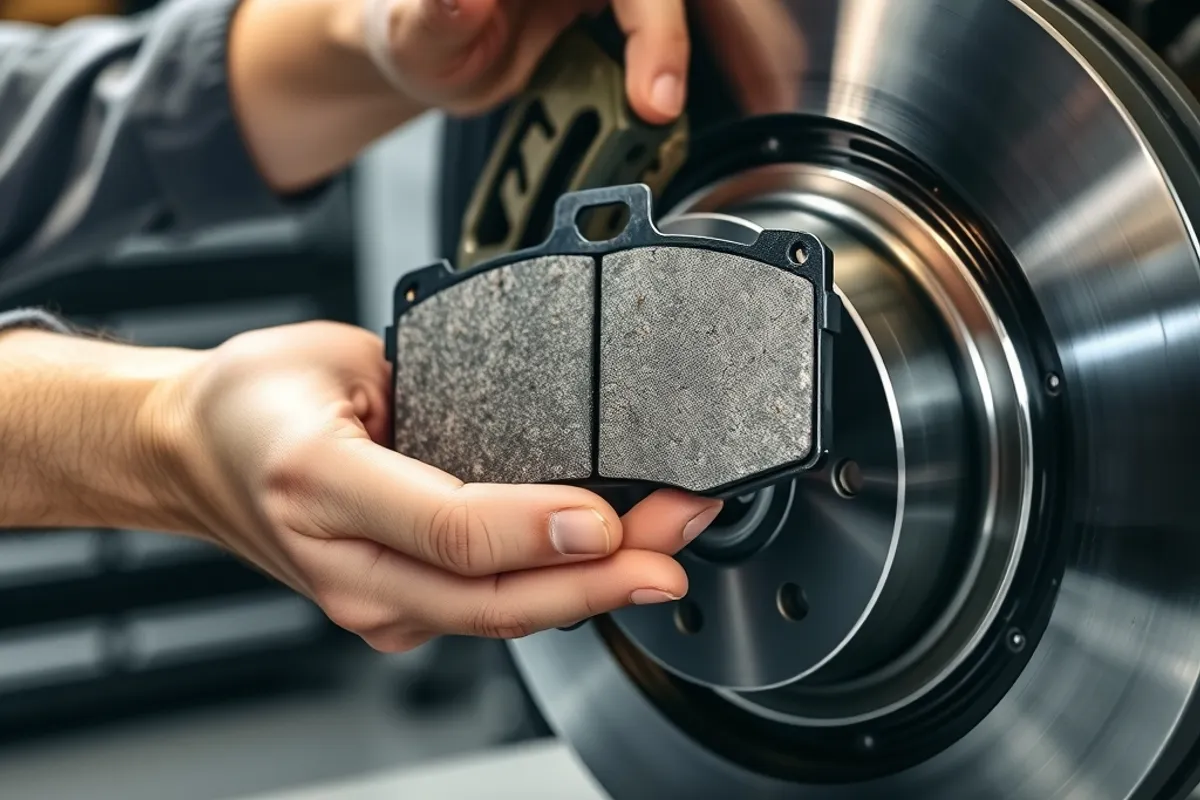
Brake pads are the cheapest safety part you will ever replace, and the difference between a good set and a bad one is measured in metres, not marketing slogans. We fitted eight sets to the same mid-size sedan and drove 12,000 miles of stop-start city work, highway cruising and repeated emergency stops from 60 mph. We measured stopping distance, dust build-up on the wheels, cold squeal and how each pad behaved after a long descent.
How we tested brake pads
Every set ran on the same car with fresh rotors, bedded in with the same procedure, then measured on a closed course. We recorded stops from 60 mph, pedal feel, dust on a clean wheel after 500 miles, and noise during low-speed town driving. Pads were inspected for cracking, glazing and taper at the end of the test. Prices are average retail for a front axle in early 2026. If your discs are worn or scored, read our guide to suspension wear as well, because tired dampers lengthen stops just as much as cheap pads.
The winner: strong bite with almost no dust
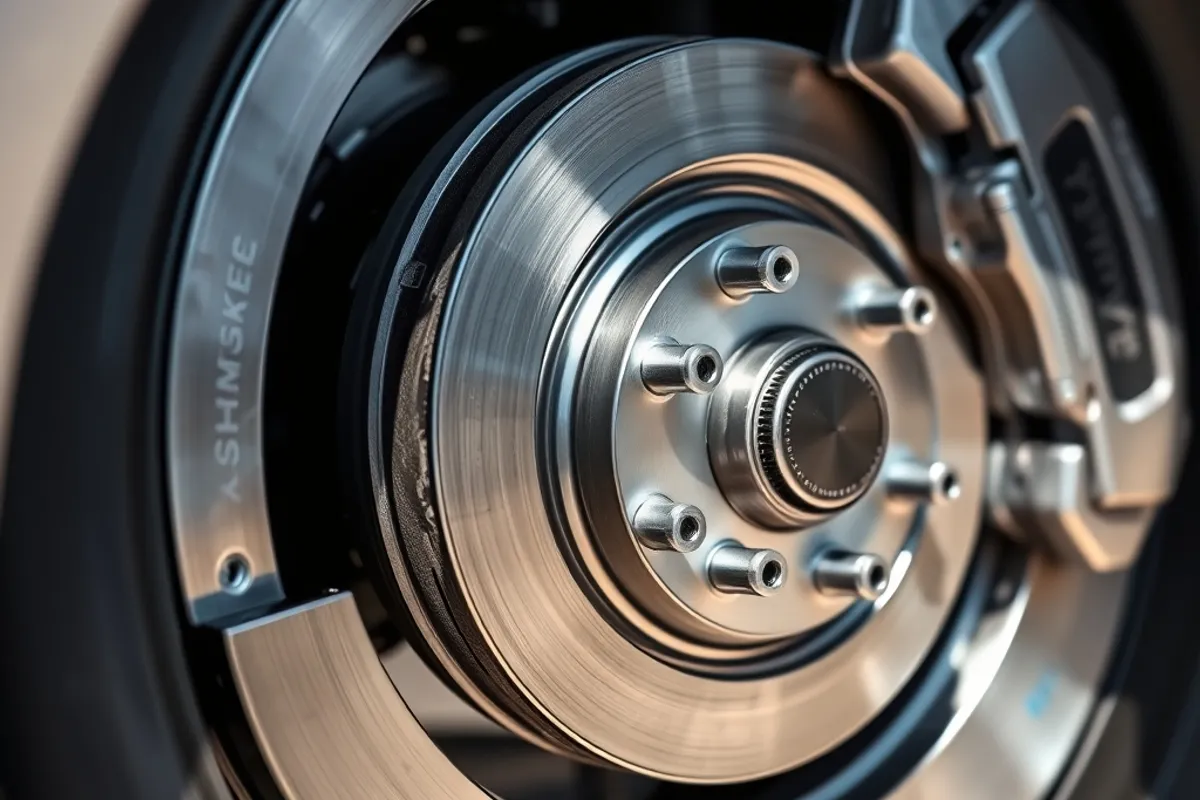
The winning ceramic set stopped the car in an average of 128 feet from 60 mph, six feet shorter than the budget pads, and left the least dust on our test wheels. Cold performance was reassuring on the first stop of the morning, and repeated hard stops produced only mild fade. They cost around $85 per axle, which is real money for a wear item, but the difference in confidence and wheel cleanliness justifies it for anyone doing mostly city driving. Bed them in properly and they stay quiet.
Best value brake pads
A semi-metallic set at about $58 per axle finished within four feet of the winner on stopping distance and handled heat well on long descents. The trade-offs are more dust and a faint graunch under light braking when cold, both normal for the material. For a commuter car or a second vehicle, this is the sensible buy: strong performance, half the price of premium ceramic, and widely available. Avoid the cheapest organic set in the test, which faded noticeably after three hard stops.
Ceramic or semi-metallic?
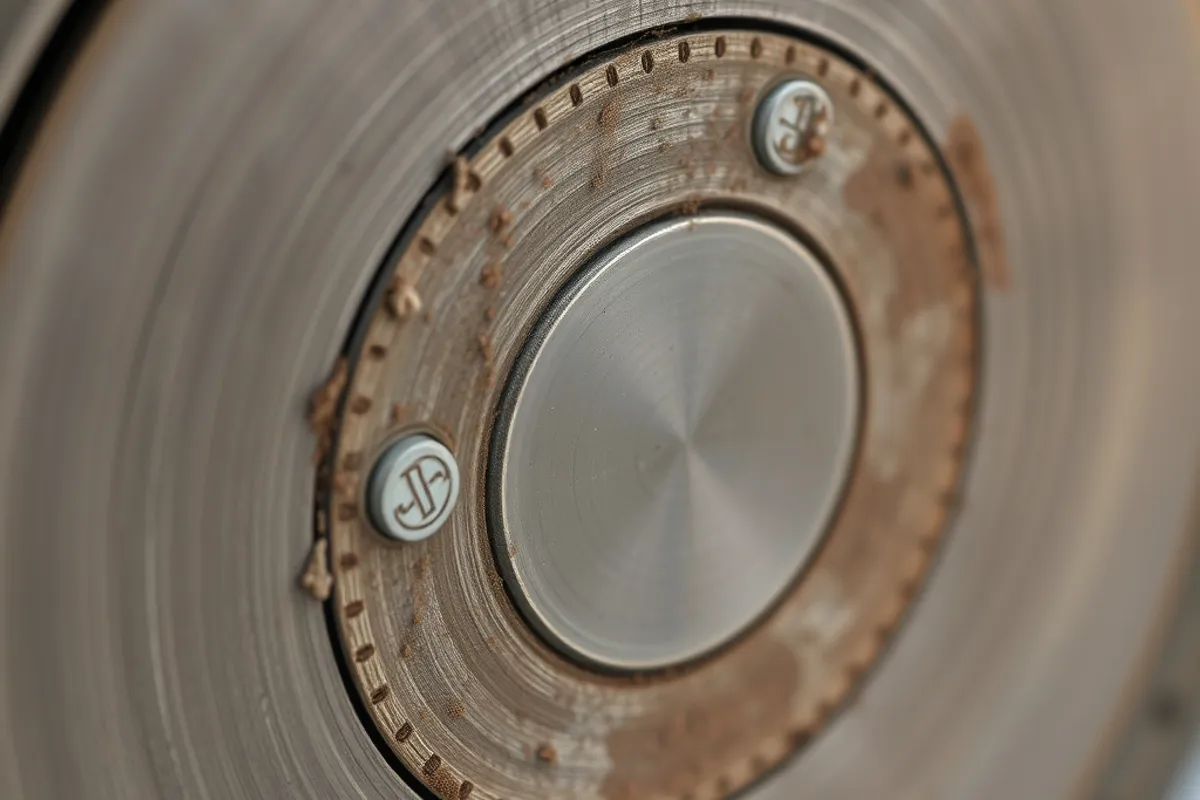
Ceramic pads run cooler and quieter with less dust, which is why they suit family cars, EVs and anything with expensive alloy wheels. Semi-metallic pads bite harder when cold and tolerate heat well, making them the better choice for heavier cars, towing and spirited driving. Organic pads are quiet and cheap but fade sooner under repeated hard use. Match the compound to how you actually drive rather than to the label on the box, and never mix compounds across an axle.
"The best brake pad is the one that still stops you on the third hard application, when the cheaper set has already gone soft."
Installation details that decide performance
Clean the caliper bracket, lubricate the slide pins with the correct high-temperature grease, and check that the pad moves freely before you push the piston back. Fit new rotors or have existing ones machined if they are scored or below minimum thickness. Torque the caliper bolts to spec and pump the pedal before you move the car. A premium pad installed badly will squeal and drag, so the fitting matters as much as the part. If you are not confident, pay a shop; brakes are not the place to learn by trial.
When to replace pads and rotors
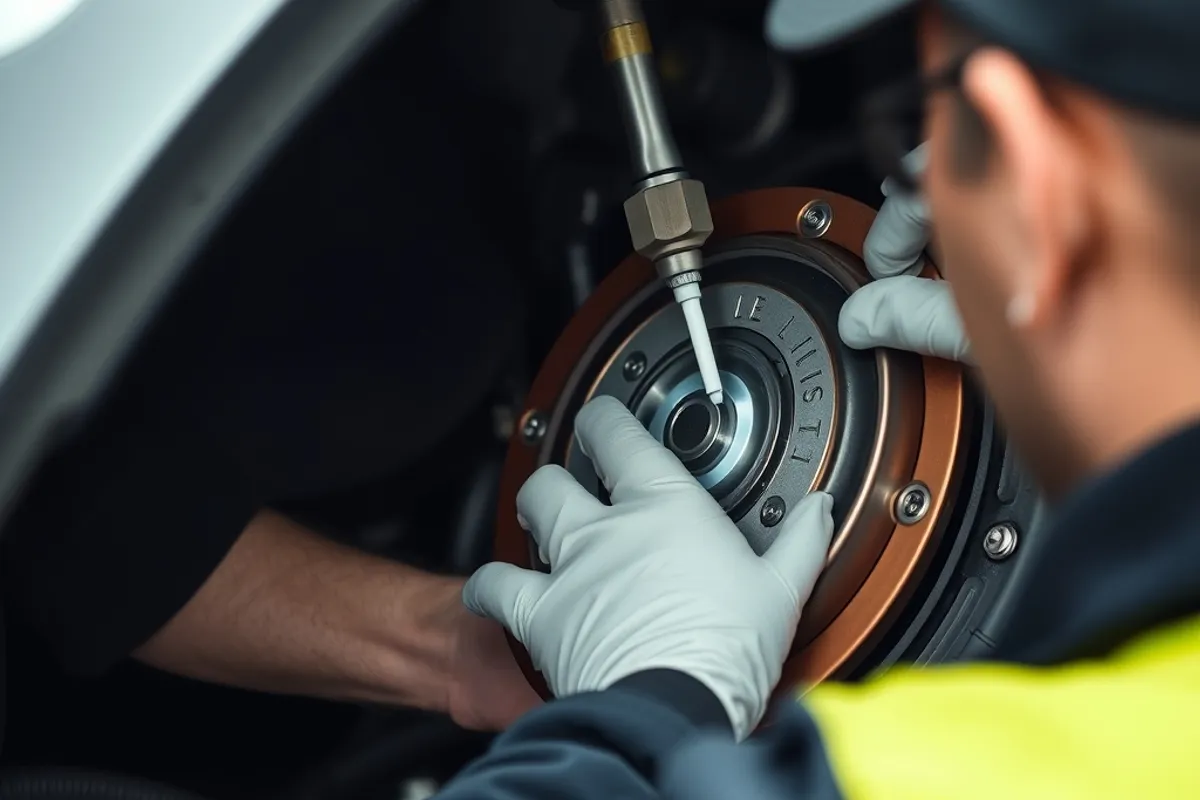
Most front pads last 30,000 to 60,000 miles depending on driving style, and rears often last twice as long. Replace at 3 mm of friction material, or sooner if the wear indicator touches the rotor or the pedal feels long. Rotors should be replaced when they fall below minimum thickness, show deep grooves or blue heat spots. A soft or pulsing pedal after hard use means heat, not necessarily a worn pad. Check the whole system, including fluid, rather than swapping pads alone and hoping the rest keeps up.
Brake dust, noise and bedding in
Dust is mostly cosmetic but it can etch polished wheels if left for months, so wash them regularly if you choose a semi-metallic compound. Squeal usually comes from vibration at the pad backing, not from the friction material itself, and a proper shim plus grease on the contact points fixes most cases. Bed new pads in with six to eight moderate stops from 40 mph, then a few harder ones, letting them cool between runs. Never hold the car on the brakes after a hard stop, because pad material can transfer unevenly to a hot rotor and cause judder.
The bottom line
Buy the ceramic winner for the shortest stops, least dust and quietest operation. Choose the semi-metallic value set if you want strong braking for less and do not mind cleaning your wheels. Then spend ten minutes checking calipers, rotors and fluid, because a complete brake job done once beats a cheap pad change repeated every year. Read more maintenance advice in our Auto Parts section.