Tire Pressure and Fuel Efficiency: What the Data Really Says
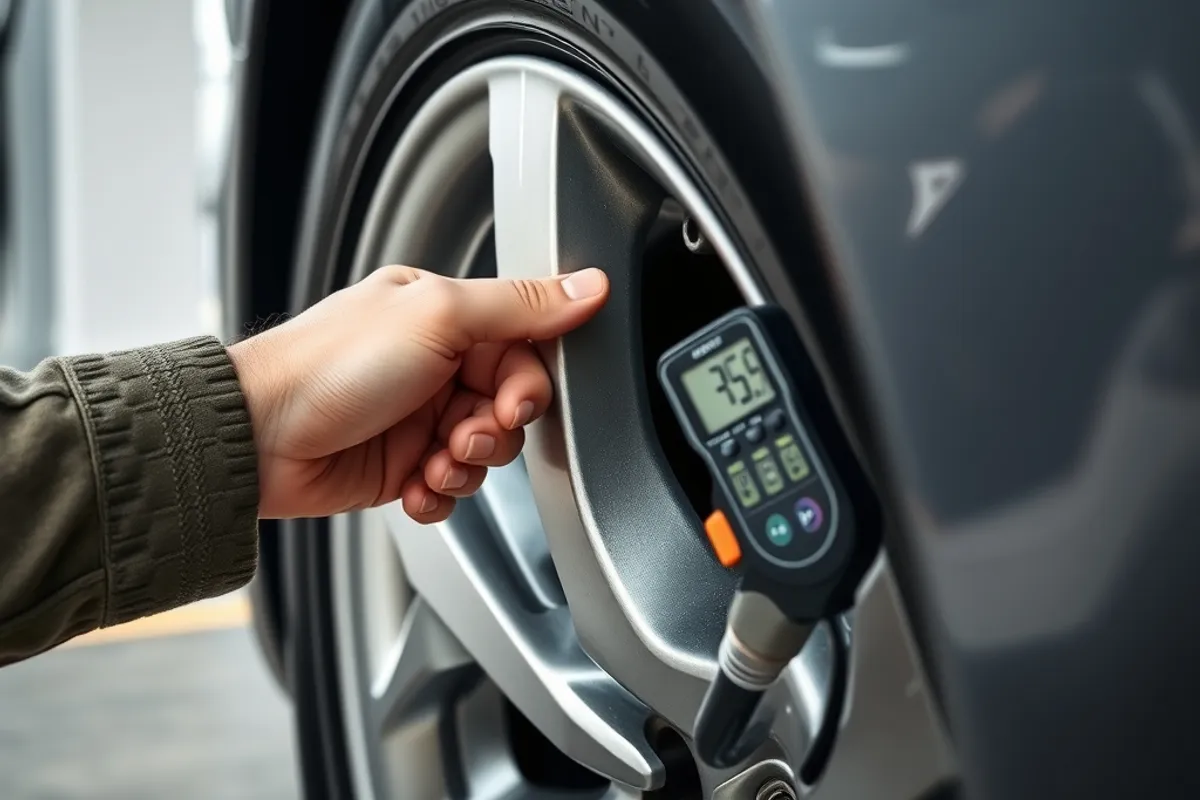
Few car tips get repeated as often as this one: keep your tyres inflated and you will save fuel. It is true, but the real numbers are more interesting than the slogan. We took the same sedan and ran controlled 120-mile highway loops at three tyre pressures, logging fuel use, tread wear and how the car felt, to find out exactly how much pressure matters and when the advice stops being useful.
How we measured it
We drove the same 120-mile route at a steady highway speed with cruise control, at pressures set cold to 6 psi below, at, and 6 psi above the manufacturer's recommendation. Each run started with a full tank, used the same fuel pump, and the same driver, in similar weather. We measured consumption from the pump rather than the trip computer, then checked tread depth and wear across each tyre and assessed braking feel and cornering on a wet surface. The car's tyre-pressure monitoring system was used only as a cross-check.
What the numbers showed
At 6 psi below the recommended pressure, fuel economy fell by about 3 percent on our highway loop, and the effect would be larger in city driving because rolling resistance matters proportionally more when speeds are low. At the correct pressure we got our best combination of economy, grip and even wear. Running 6 psi high gained less than half a percent, well within measurement noise, while making the ride harsher and the centre of the tread work harder.
Why low pressure costs fuel
An under-inflated tyre deforms more as it rolls, and that flexing wastes energy as heat, which is why the sidewall runs warm. The engine has to overcome that extra resistance, so consumption rises. A soft tyre also changes the shape of the contact patch, wearing the shoulders and shortening tyre life. In severe cases, sustained low pressure builds heat that can lead to a blowout at highway speed, which is why the fuel argument is really a safety argument wearing a cheaper coat.
The wear and safety penalty
Low pressure shortens tyre life through uneven shoulder wear, and tired tyres cost far more than the fuel they waste. Under-inflation also lengthens wet stopping distances and makes the steering feel vague. Over-inflating is not a safe shortcut either: it reduces the contact patch, which harms wet grip and braking, and concentrates wear in the centre. The correct pressure, set cold, is the only setting that optimises all three of economy, longevity and grip. If you must err, err a little high rather than low on a heavy load.
"Pressure is the cheapest fuel-saving device ever fitted to a car: it comes free with the tyres, and it is already sitting on a placard inside your door."
How to check and set pressures
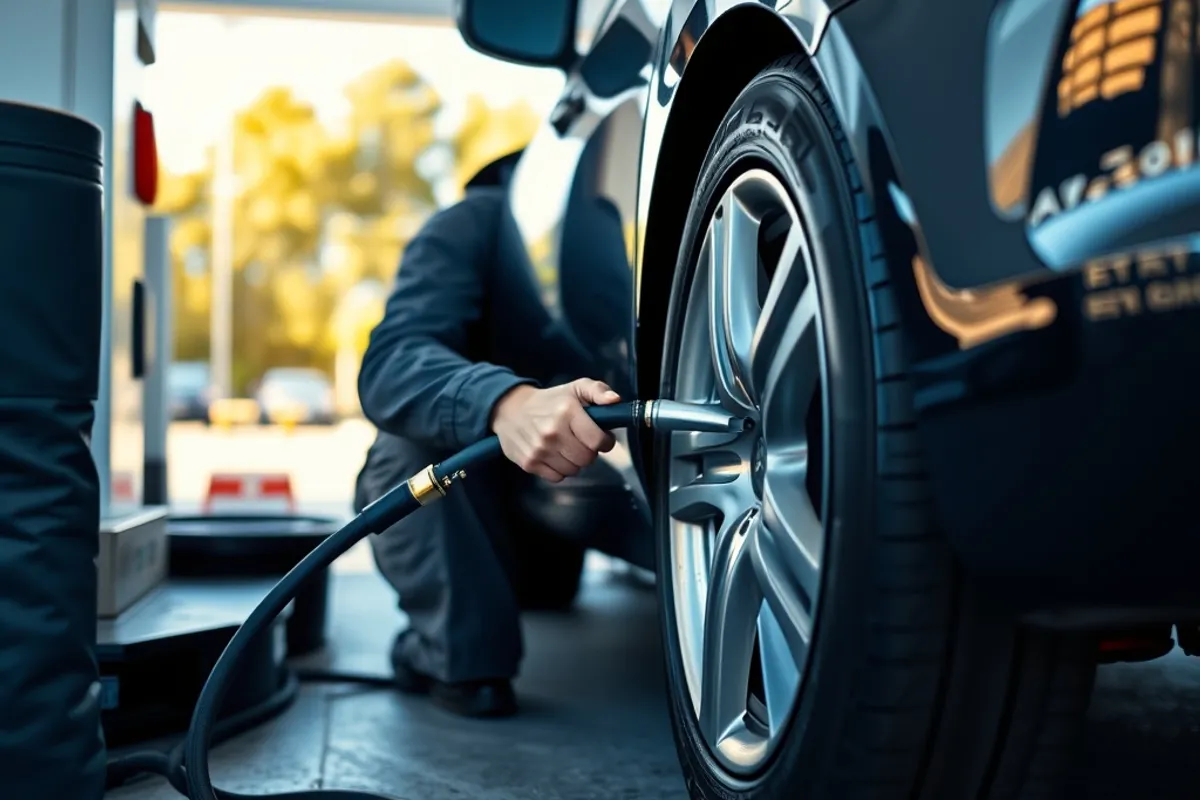
Check pressures when the tyres are cold, meaning the car has sat for a few hours or been driven less than a mile, and set them to the placard on the driver's door jamb, not to the maximum printed on the tyre wall. That maximum is a safety ceiling, not a recommendation. Add a few psi for a full load or towing, following the maker's guidance, and recheck after temperatures drop, because pressure falls roughly 1 psi for every 10 degrees Fahrenheit of cooling. Use a decent gauge; cheap pencil gauges drift and are often wrong by several psi.
When tyres need replacing
Pressure aside, tread depth and age decide how a tyre performs. Replace at 2/32 of an inch of tread for safety, and sooner for wet climates. Inspect for bulges, cuts and embedded objects, and check the date code on the sidewall; tyres past six to eight years old should be replaced regardless of tread, because rubber hardens and grips less. Replace tyres in axle pairs at minimum, and prefer matching brands across an axle. Uneven wear from bad alignment or worn suspension will waste the set, so fix the cause first.
The bottom line
Correct tyre pressure saves around 3 percent in fuel when your tyres are badly low, and it protects the tyres and your safety. Check monthly when cold, use the door placard, and never over-inflate to chase a number. It is the least glamorous efficiency tip and one of the most effective. For more, see our guide to 14 measured fuel-saving habits and the Fuel Efficiency section.