Child Car Seat Safety Check 2026: Fit, Anchors and Mistakes
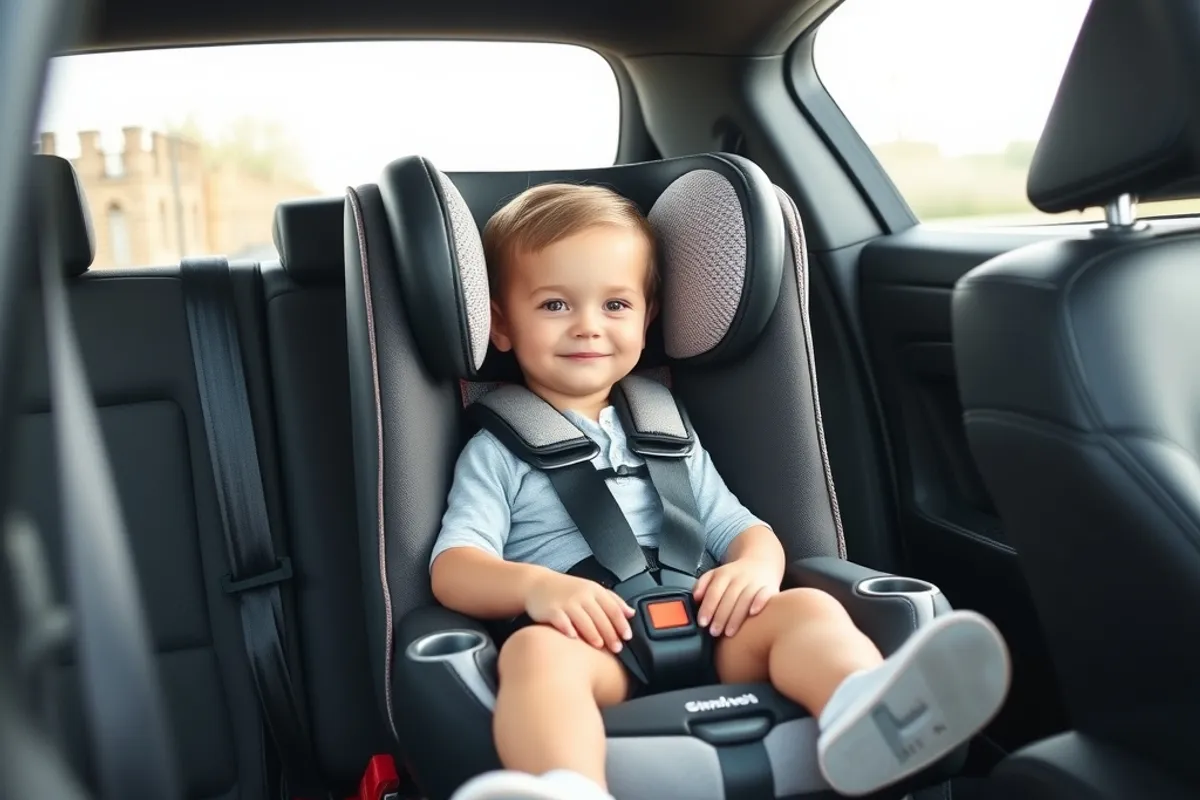
A child car seat is a safety device you install yourself, and independent checks show that most are fitted with at least one error. Yet the difference between a well-fitted seat and a loose one is the difference between a scratch and an injury in a crash. This guide walks through the checks we use in a real car, covering rear-facing rules, harness tension, LATCH and seat-belt installation, and the mistakes we see most often.
Rear-facing for as long as possible
Rear-facing seats spread crash forces across the whole back and neck, which is why they protect young children far better than forward-facing seats. Many modern seats allow rear-facing well past a child's second birthday and even to age four, so follow the seat's height and weight limits rather than the calendar. A child who outgrows one rear-facing seat may still fit another. Moving to forward-facing too early is one of the most common and most consequential errors parents make, so resist the temptation to rush the milestone.
Harness fit: snug and flat
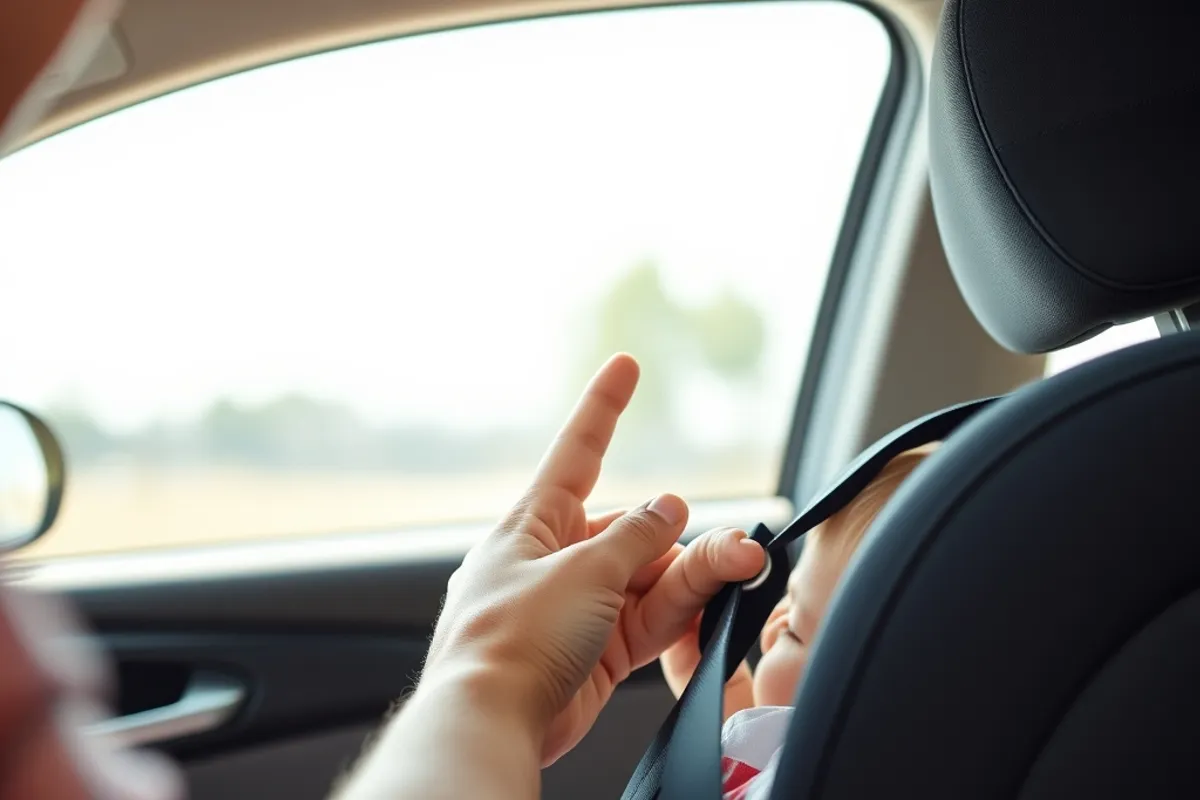
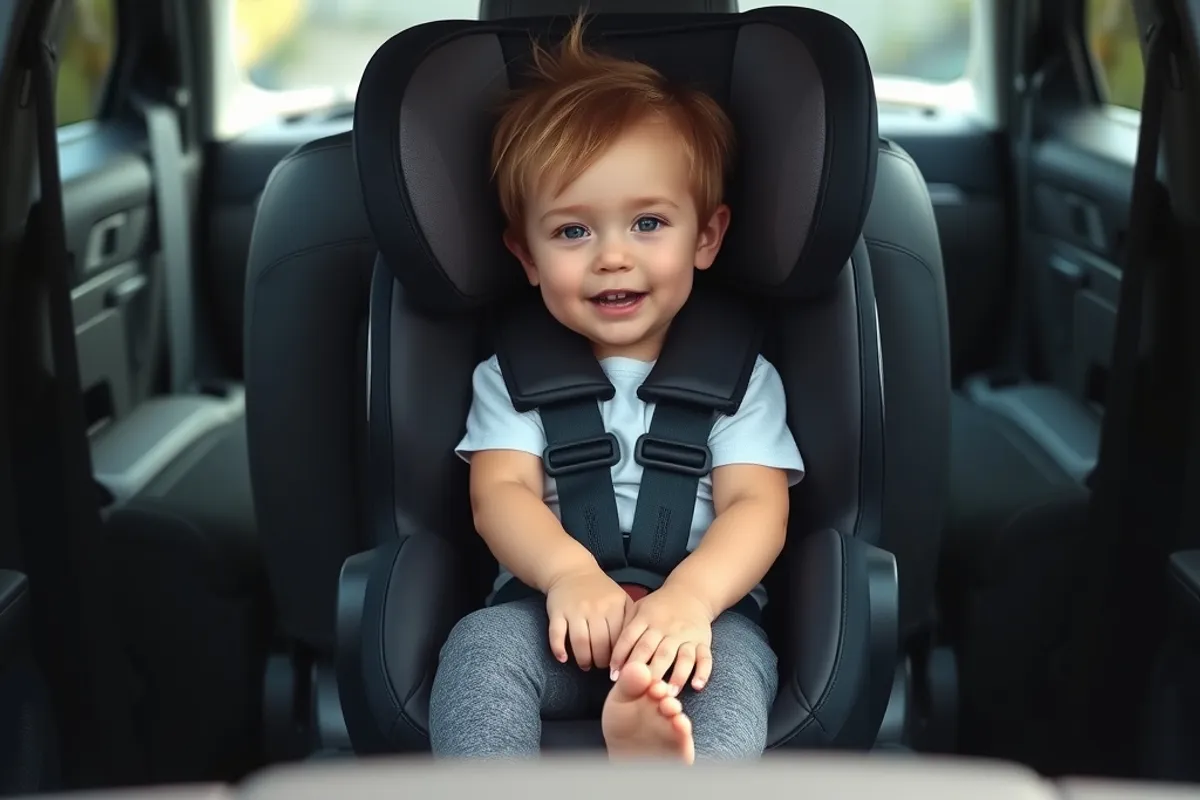
The harness should be snug enough that you cannot pinch a fold in the strap, and the chest clip should sit at armpit level, not on the belly or the neck. Remove bulky coats before buckling; a thick jacket compresses in a crash and leaves the harness loose when it matters most. Straps should lie flat without twists, and the shoulder slots should be at or below the child's shoulders for rear-facing seats and at or above for forward-facing. Check the tension every trip, because children wriggle and straps loosen.
Installation with LATCH or seat belt
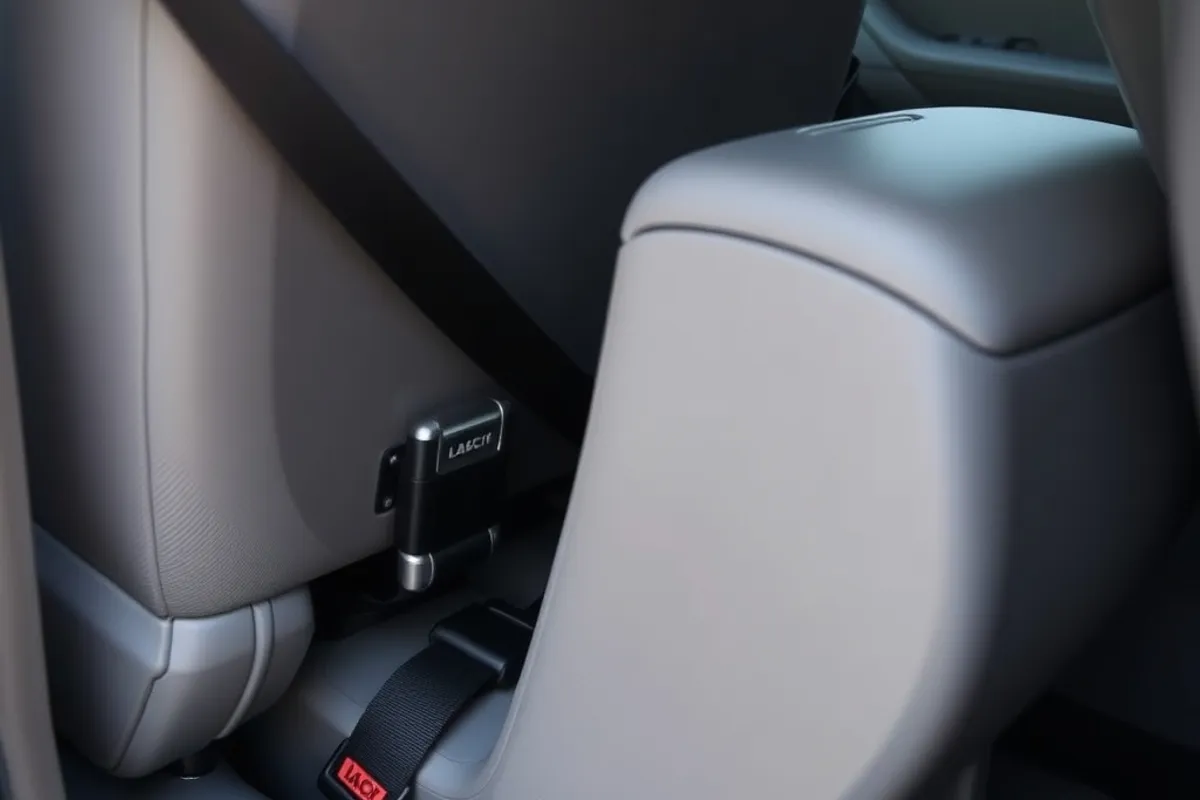
Lower anchors, known as LATCH, make installation easier but they have a weight limit, so read the manual and switch to the seat belt when the child plus seat exceeds it. Whether you use anchors or the belt, the seat should move no more than about an inch at the belt path when you tug firmly. If you use the belt, lock the retractor or use the locking clip as the manual directs, and make sure the belt is routed through the correct path. Never use both the lower anchors and the seat belt unless the manual specifically allows it.
Top tether and headrests
Forward-facing seats should use the top tether whenever the car and seat both provide for it, because the tether limits how far the seat pitches forward in a crash. Find the tether anchor, usually on the back of the seat or the parcel shelf, and clip it tightly. Remove or adjust headrests that stop the seat sitting flush against the vehicle seat back. Rear-facing seats must not touch an active front airbag, so either disable the airbag if the maker permits or use a different seating position. The back seats are the safest place for children until they are tall enough for a belt to fit properly.
"Two fingers under the harness and one inch of seat movement: two checks you can do in thirty seconds that make the difference in a crash."
Common mistakes to avoid
The most frequent errors are loose installation, a loose or twisted harness, a chest clip in the wrong place, and a seat that has been moved between cars without being re-checked. Others include using a second-hand seat with no known history, a seat that has been in a crash, a seat past its expiry date, and a bulky coat under the harness. Adding aftermarket pads, covers or strap covers that did not come with the seat can also interfere with how it performs. Keep the original manual with the seat and follow it exactly.
Older children and booster seats
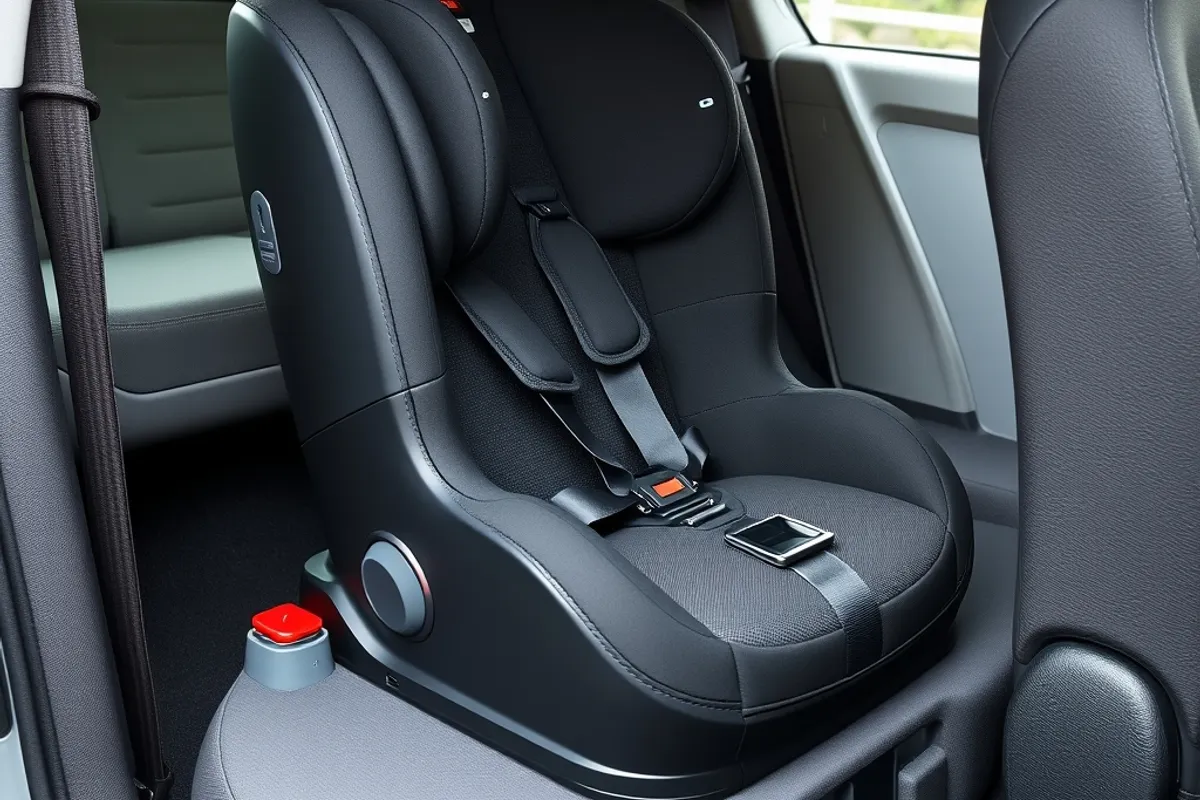
Children should stay in a harnessed seat until they reach its limits, then move to a belt-positioning booster. A booster works only if the seat belt fits across the middle of the shoulder and low across the hips, never across the neck or the stomach. Until a child can sit with their back against the seat and knees bending at the edge without slouching, the booster is still needed, which is often well past age eight. Keep children in the back seat until at least 13, because front-seat airbags are designed for adult bodies.
Inspecting and replacing a seat
Check the date of manufacture and stop using a seat when it expires, typically six to ten years, because the plastic and straps degrade. Replace any seat involved in a moderate or severe crash even if it looks undamaged, and never use a seat with a cracked shell, frayed straps or missing parts. Wash covers only as the manual allows, since harsh cleaners can weaken webbing. Get your installation checked by a certified technician where you can; many fire stations and clinics offer free inspections, and a ten-minute check catches the errors that matter most.
The bottom line
Keep children rear-facing as long as the seat allows, tighten the harness with the chest clip at armpit level, and install the seat so it moves less than an inch. Use the top tether when forward-facing, keep children in the back, and replace any seat that is expired or crash-damaged. A few minutes of care makes a life-saving device work as designed. For more safety advice, read our night driving rules and the Road Safety section.