ADAS Explained 2026: Which Driver-Assist Features Are Worth It
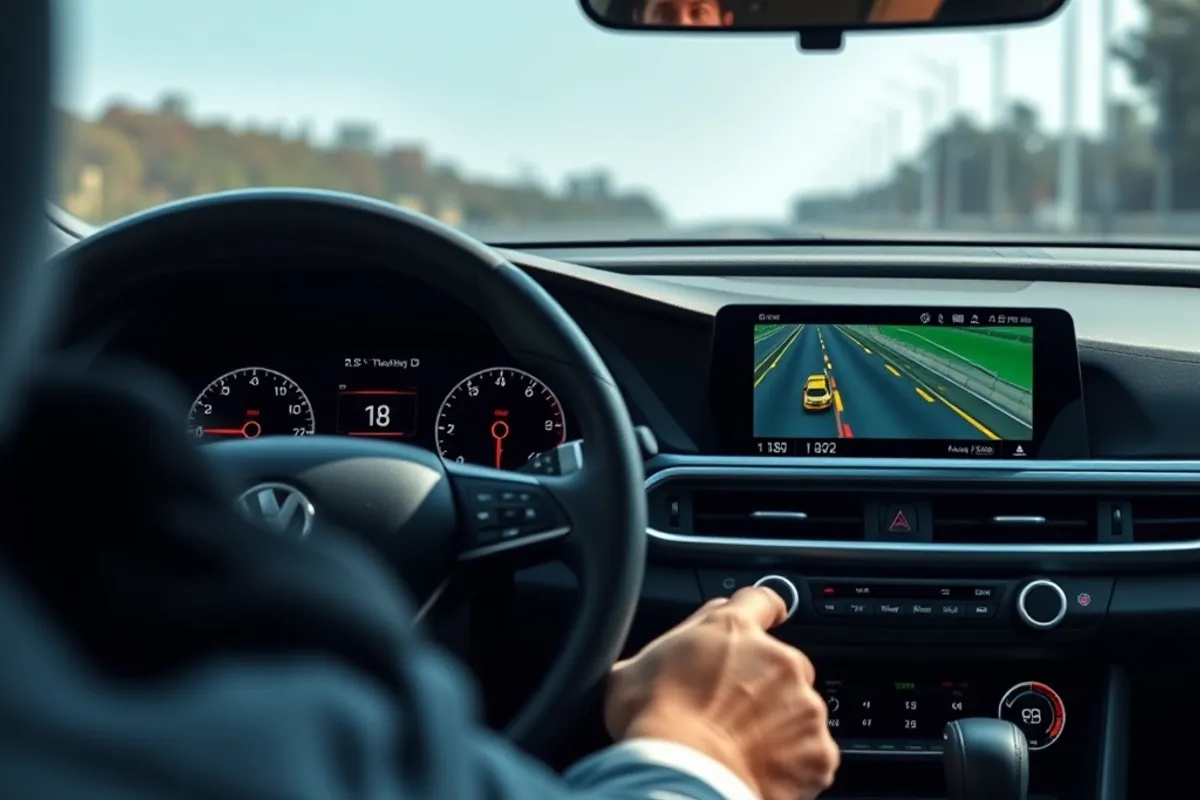
Driver-assist systems have moved from luxury option to near-standard equipment, but not every feature earns its place. Some genuinely reduce fatigue and prevent crashes; others nag, misread the road or simply duplicate something your eyes already do. We spent three weeks with six 2026 vehicles, driving each on the same highway, city and rural routes, scoring adaptive cruise, lane assistance, blind-spot monitoring, automatic emergency braking and the newer hands-free systems on usefulness, reliability and annoyance.
How we evaluated the systems
Every car ran the same routes so we could compare how each system behaved in identical traffic, weather and road-marking conditions. We logged interventions, false alerts, disengagements and how clearly the car told the driver what it was doing. We scored safety benefit highest, then reliability, then how little the system annoyed the driver, because a feature you switch off protects no one. Published evidence from crash-test bodies underpins our view that some of these systems prevent collisions, not just reduce effort, so we link to it below.
Automatic emergency braking: the one to insist on
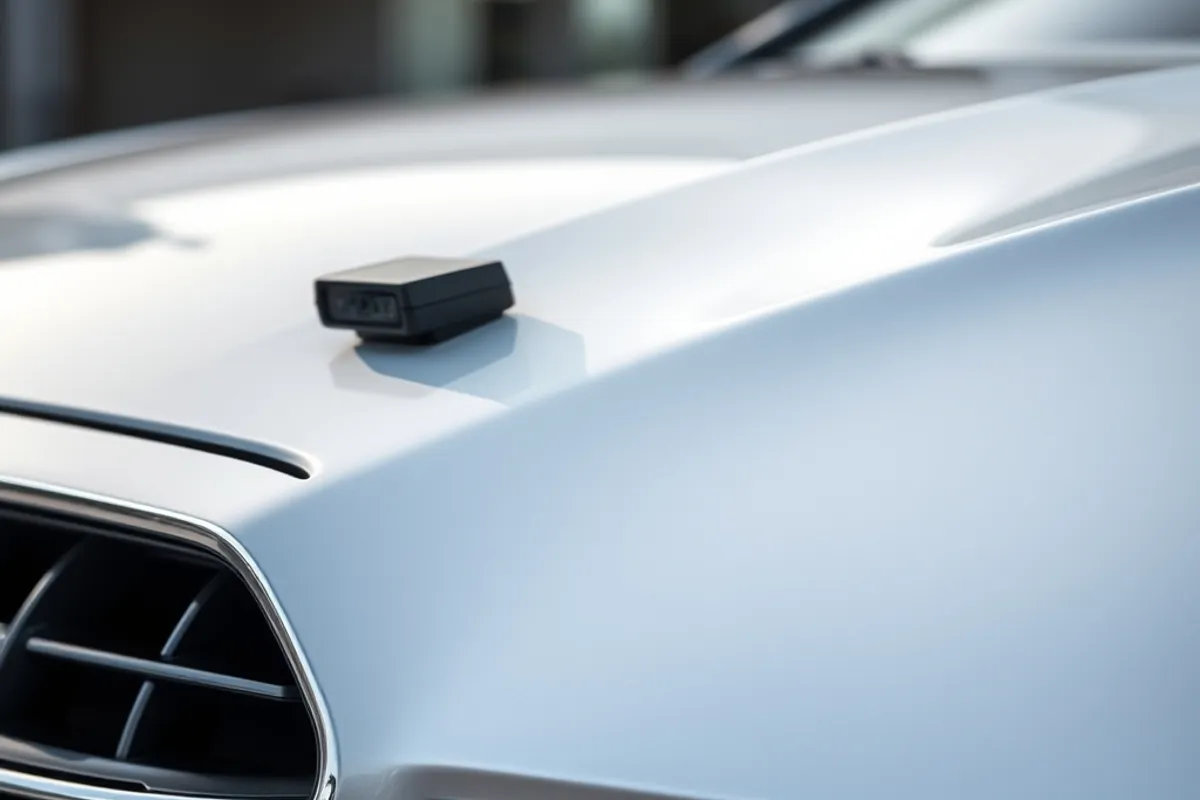
Forward automatic emergency braking is the feature we would not buy a car without. It watches for vehicles and, increasingly, pedestrians and cyclists, and can brake harder and faster than a distracted driver. It works quietly in the background and has strong evidence behind it for reducing rear-end crashes. Check that the system covers pedestrians and, if you ride or cycle near traffic, cross-traffic and junction scenarios, not just the car ahead on a straight road. This is the system that justifies the whole technology package.
Adaptive cruise: the best long-distance comfort
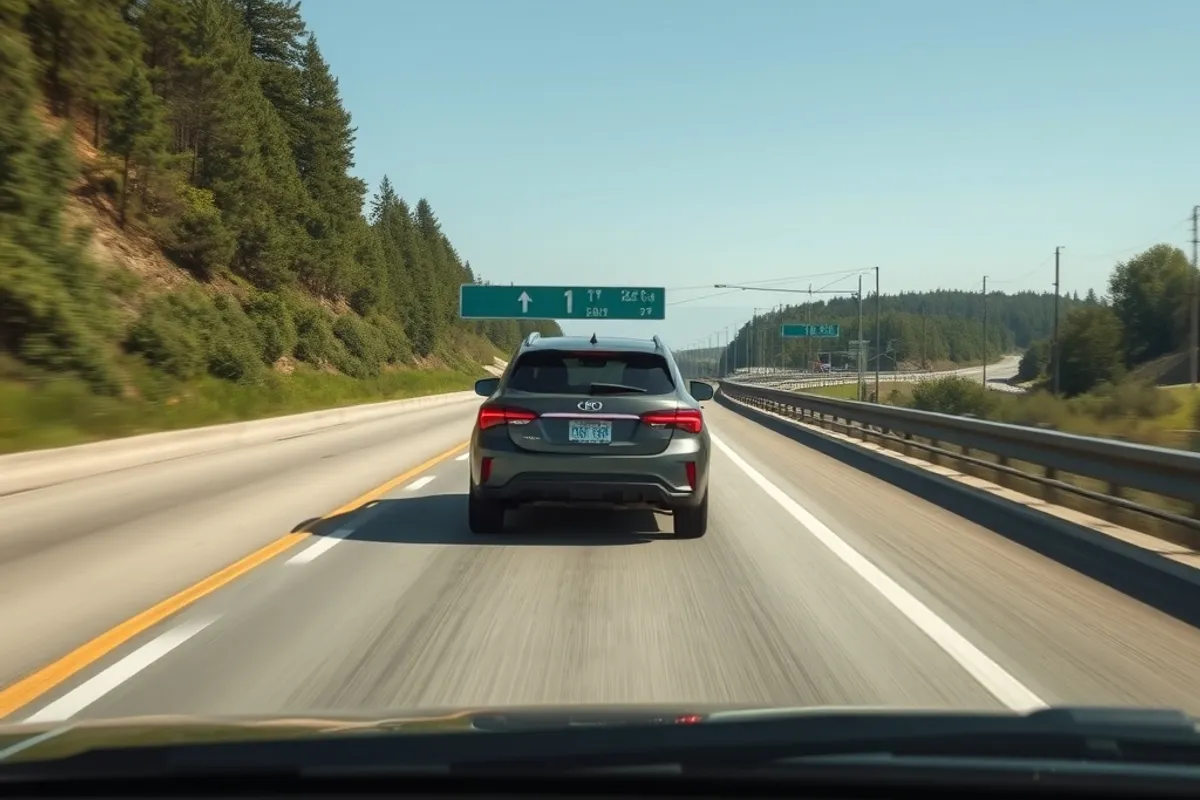
Adaptive cruise control holds a set distance behind the car in front and is a genuine fatigue reducer on long trips. All six systems we tested worked well on the open highway, but they differ in traffic. The best ones resumed smoothly after a stop and did not leave a huge gap that invited other drivers to cut in. The weakest braked late and reacted to vehicles in adjacent lanes. On multi-hour drives we arrived noticeably fresher using adaptive cruise, which makes it worth the money for anyone who regularly covers distance.
Lane assistance: helpful, but imperfect
Lane-departure warning, which nudges or buzzes when you drift, is useful on drowsy late-night drives. Lane centering, which actively steers to hold the middle of the lane, works well on clearly marked highways and poorly everywhere else. On worn surfaces, faded paint, roadworks or tight bends, every system we tested either gave up abruptly or wandered. Treat lane centering as a highway assistant that needs your hands ready, never as a reason to look away. Its value rises with how forgiving and predictable it is when markings get poor.
"The best driver-assist feature is the one that quietly does its job and hands control back the instant it is needed. The worst is the one that fights you."
Blind-spot and rear cross-traffic alerts
Blind-spot monitoring earns its place because it covers the one area a driver physically cannot see well. The good systems give a clear warning when a car is alongside and stay quiet otherwise; the annoying ones flash at parked cars and distant traffic. Rear cross-traffic alert, which watches for vehicles as you reverse out of a space, is a quiet hero in busy car parks and worth having specifically for that. Together these two prevent the low-speed scrapes that are the most common collision type in urban driving.
Hands-free and the driver-monitoring future
Hands-free highway systems can steer, accelerate and brake for you on mapped highways while a camera watches your eyes. They work surprisingly well in the right conditions, but they demand your attention, and coverage is limited to certain roads. Do not confuse them with self-driving; the carmaker is clear that you must watch the road, and safety bodies are equally clear that the driver stays responsible. Regulators are moving toward mandatory driver monitoring, which will make these systems safer, but for now treat hands-free as advanced cruise control, not a chauffeur.
What to pay for and what to skip
Prioritise automatic emergency braking, blind-spot monitoring and rear cross-traffic alert, because they address real crash risks. Add adaptive cruise if you do long journeys. Be sceptical of gesture control, augmented-reality windshields and subscription-only features that lock basic safety behind a monthly fee, which we consider poor value. If a package bundles the safety systems you want with gadgets you do not, buy the package but judge it on the safety list, not the headline count. Cross-check independent ratings before you decide what a feature is worth.
The bottom line
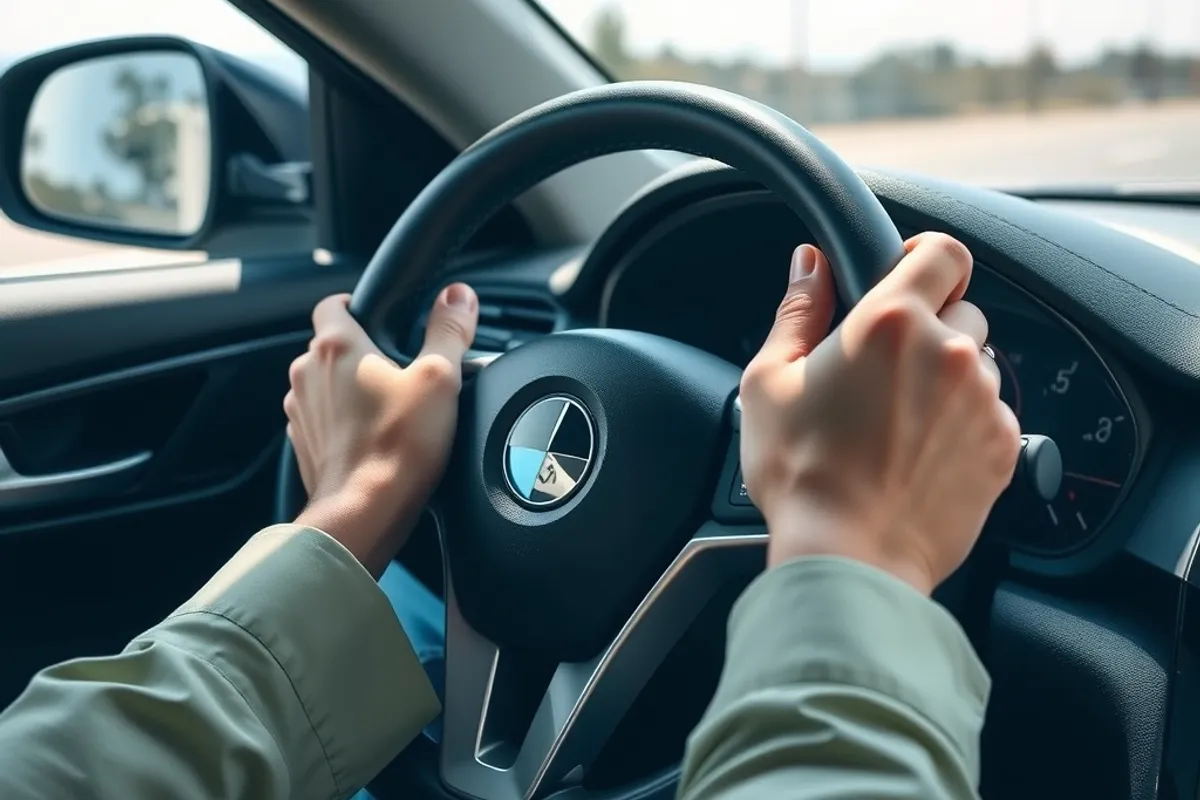
Insist on automatic emergency braking and blind-spot monitoring, choose adaptive cruise for long miles, and treat lane centering and hands-free systems as highway helpers rather than autonomy. Test every aid on your own roads before you rely on it, and read the owner's manual limitations. For more, see our infotainment comparison and the Vehicle Technology section.