When to Replace Shock Absorbers: 7 Warning Signs to Watch
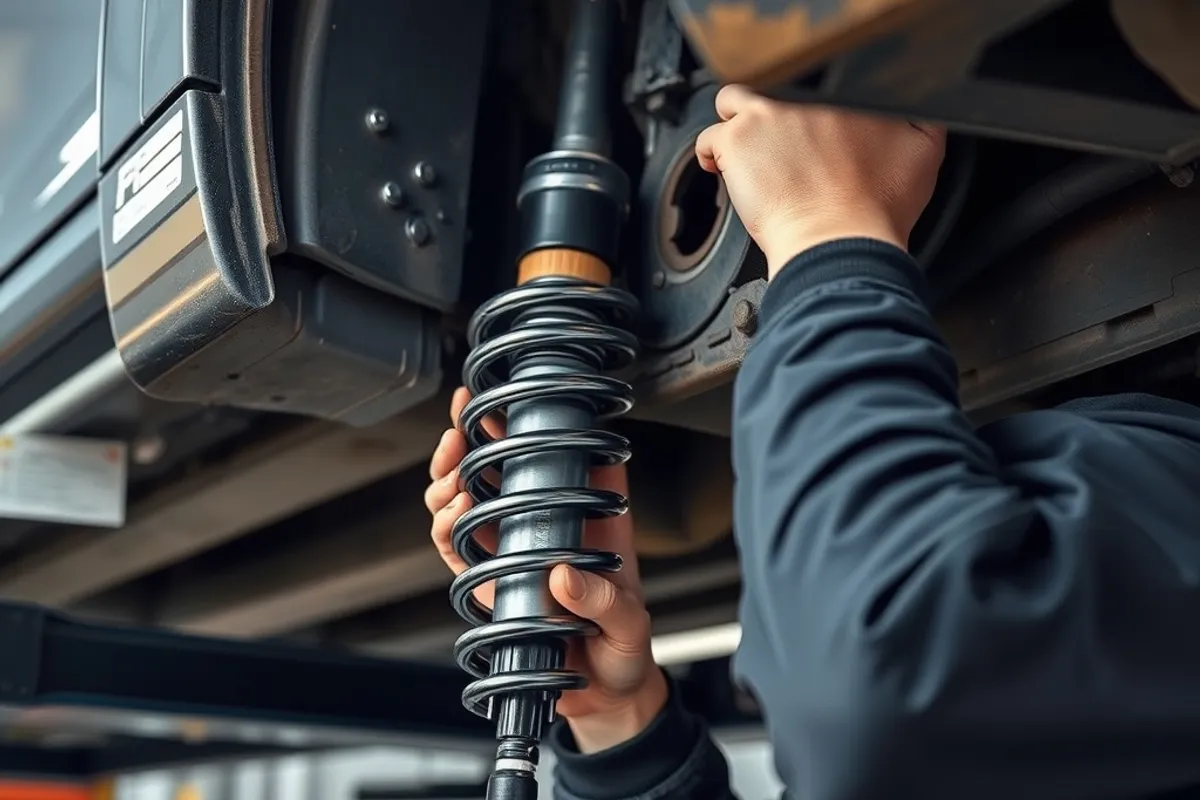
Shock absorbers do not fail with a bang. They fade, mile after mile, until a car that once felt planted starts to float over dips and take an extra beat to settle after a corner. Because the decline is gradual, most drivers adapt without noticing, which is exactly why tired dampers are one of the most commonly missed safety problems on older cars. Here are the seven signs we look for in the workshop, plus what replacement actually costs in 2026.
Sign 1: the car floats after dips
A healthy damper controls the spring in one clean movement. If the body keeps rocking up and down after a speed bump or a dip in the road, the shock is no longer damping the spring, only slowing it. This is easiest to feel at 40 to 50 mph on a road with gentle undulations. Passengers often notice it before the driver does, describing the car as bouncy or soft. That float is not comfort; it is lost control, and it gets worse when the car is loaded.
Sign 2: nose dive and squat
Every car dives under braking and squats under acceleration, but excessive movement means the front or rear dampers are tired. If the nose drops sharply in normal braking, or the rear squats heavily when you accelerate, the springs are working without enough control. This matters most in an emergency stop, when weight transfer can unload the rear tyres just as you need grip. Compare your car with a similar model in good condition if you are unsure what normal feels like.
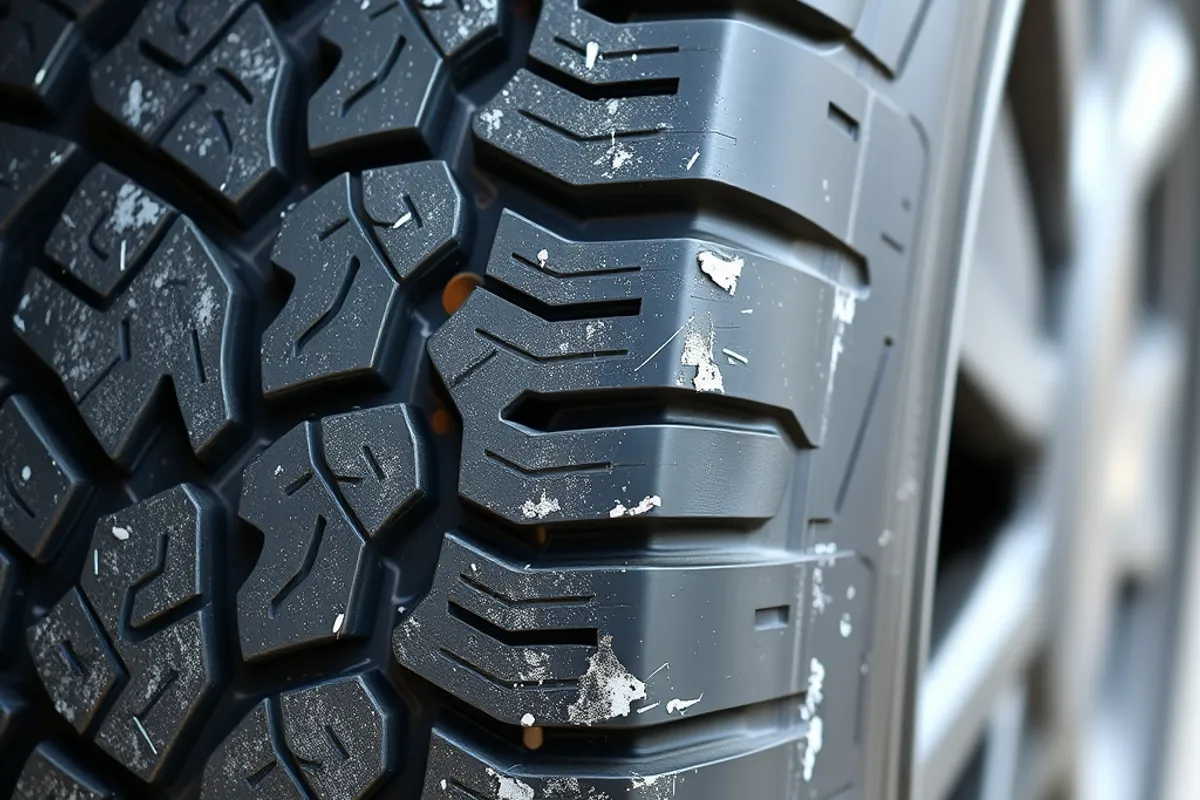
Sign 3: uneven or cupped tyre wear
Worn shocks let the wheel skip and bounce instead of staying pressed to the road, which leaves a distinctive cupped or scalloped pattern on the tread. Run your hand across the tyre; if you feel dips and high spots rather than a smooth curve, suspect the dampers. Check tyre pressures first, then inspect the dampers before you buy new tyres, or the replacement set will wear the same way. Uneven wear also shortens tyre life by thousands of miles, so the shock job often pays for itself.
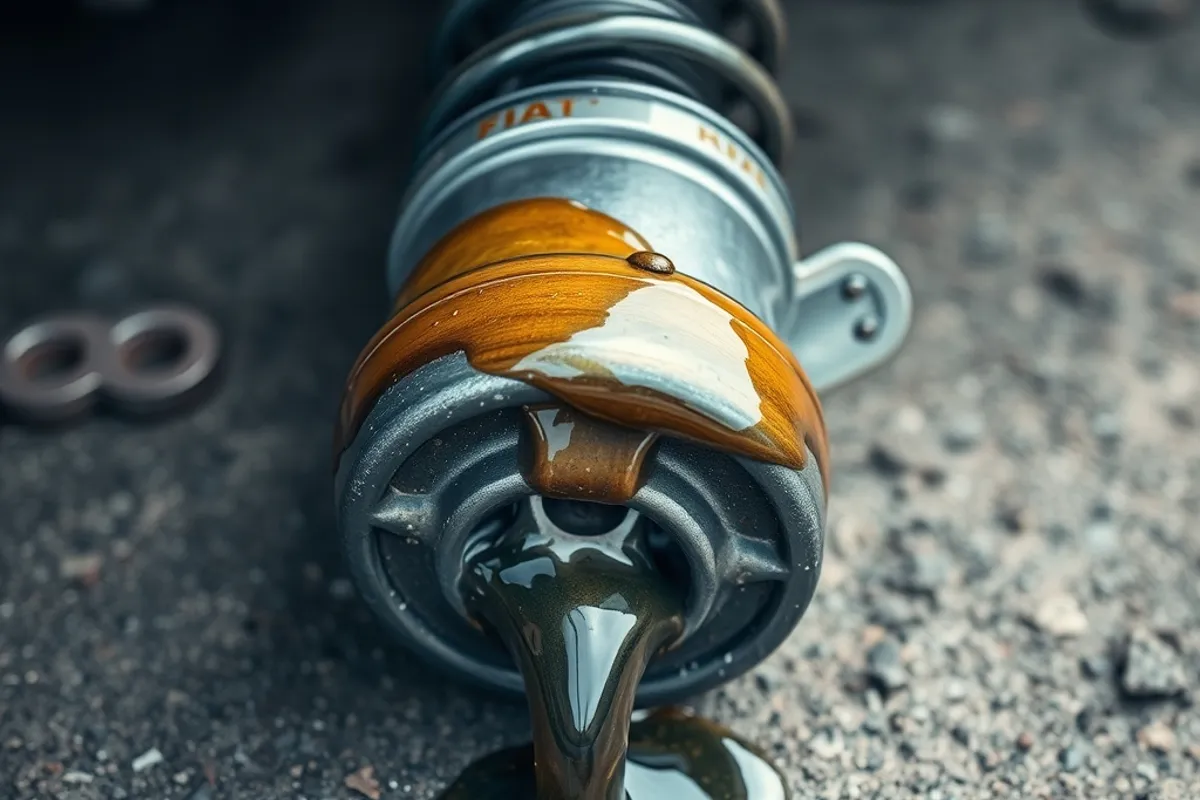
Sign 4: leaking oil on the shock body
A light film of dust and oil around the top of the shock can be normal on an old car, but a visible wet streak running down the body means the seal has failed. Look behind the wheel with a torch after the car has sat overnight. Any dripping oil is a clear replacement signal. Do not confuse this with water from a recent wash or a leaking brake line nearby; clean the area, drive a few days and check again to confirm the source before spending money.

Sign 5: clunks and knocking over bumps
Worn shock mounts, bushings and top bearings produce a hollow clunk when you cross a broken surface. The damper itself may still work, but loose mounting hardware lets the whole assembly move. Have the car inspected on a lift while a helper bounces each corner, and check the strut top nuts and bushings. Replacing only the shock and reusing tired mounts is a false economy, because the noise usually returns within a few thousand miles.
"Shocks are a safety part disguised as a comfort part. By the time the ride feels bad, the tyres have been paying for it for thousands of miles."
Sign 6: longer stopping distances
On a smooth road, brakes dominate stopping distance. On a bumpy one, the dampers decide whether the tyres stay in contact with the surface. Independent testing has shown worn shocks adding around ten feet to a stop from 60 mph on undulating tarmac, and more when wet. If your car feels skittish under hard braking or the ABS pulses earlier than it used to, have the suspension checked before you blame the brakes. This is the sign drivers notice last and should worry about first.
Sign 7: the bounce test and mileage
Push down hard on one corner of the car and release. A good damper returns the body to rest within one bounce; a worn one lets it rock two or three times. The test is crude but useful when combined with mileage and visible leaks. Most dampers are past their best by 80,000 miles, and sooner on rough roads or with heavy loads. Replace in pairs per axle, fit new mounts and have the alignment checked afterwards, because fresh suspension changes the geometry.
What replacement costs in 2026
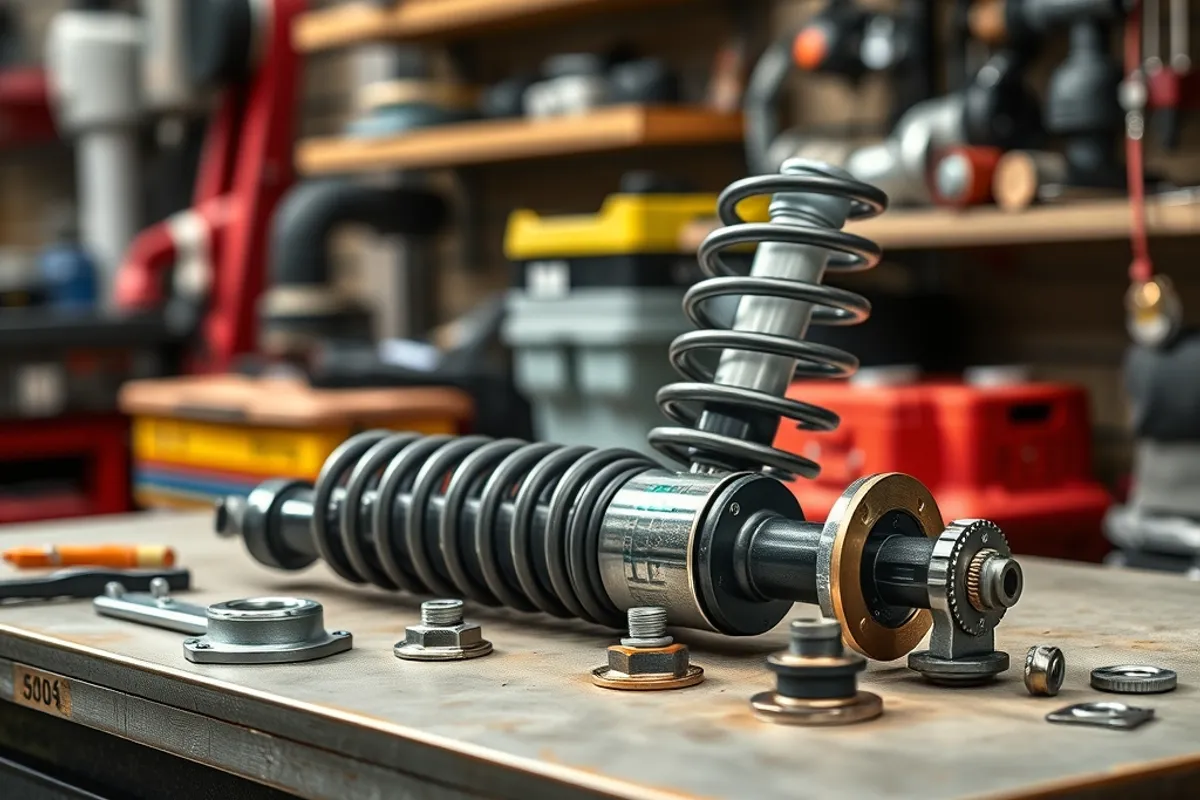
At an independent shop, expect $400 to $900 per axle for quality dampers fitted, with front struts usually costing more than rear shocks. Dealer prices can run 40 to 60 percent higher. If you do the work yourself, a good pair of dampers costs $120 to $300 depending on the car, but you will need spring compressors for struts, which is a job best left to a professional unless you have the right tools and training. Cheap no-name dampers often fade within 20,000 miles, so choose a reputable brand and keep the receipt.
The bottom line
If you can tick two or more of these signs, have the suspension inspected before your next long trip. Replace both sides of the axle with quality dampers, renew the mounts, and check alignment and tyre wear afterwards. The car will feel sharper, stop shorter on rough roads and stop chewing through tyres. For more wear-item advice, browse our Auto Parts guides and our brake pad test.