Night Driving Safety: 12 Rules for Dark Roads in 2026
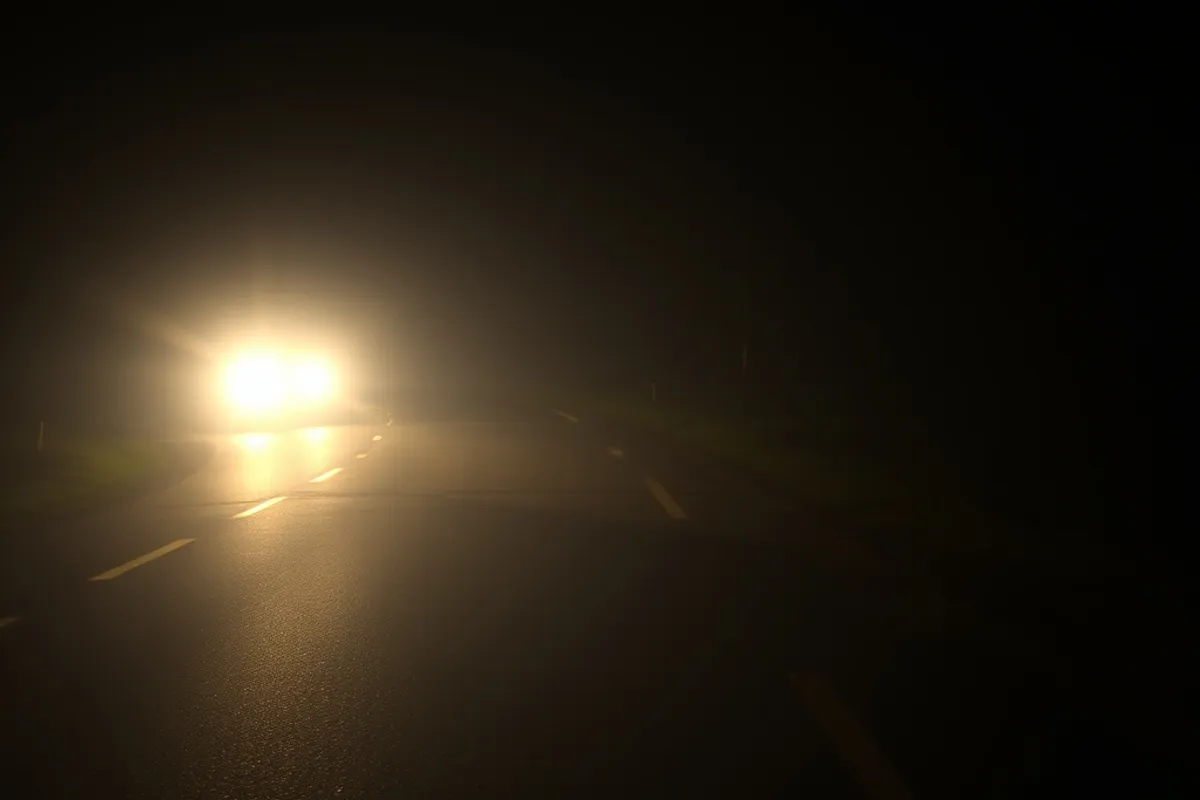
Driving at night concentrates risk. You see less, you tire faster, and oncoming glare can blind you for a second or two at the worst moment, which at highway speed is more than 100 feet of blind travel. Yet most drivers get no night-specific training, only more experience. These twelve habits come from test-track work and long night drives, and each one is simple enough to adopt on your next journey after dark.
1-3: See and be seen
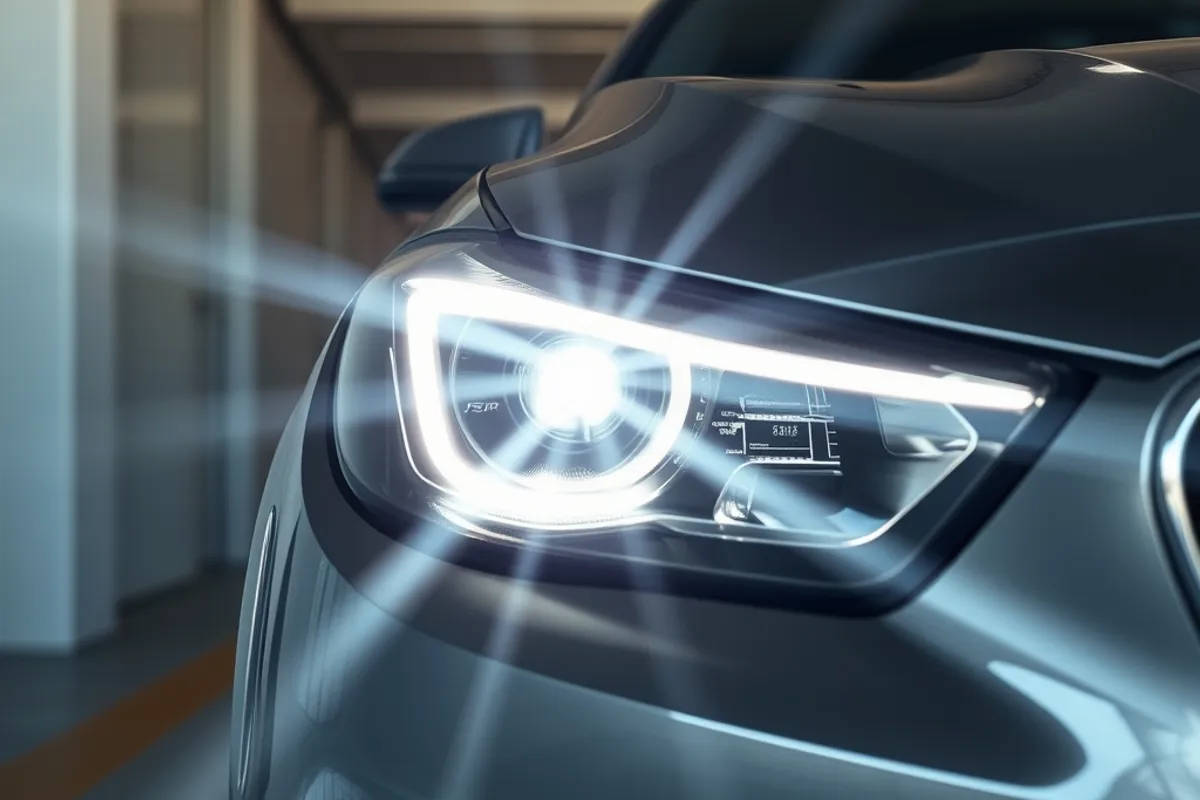
Start with clean glass and clean lights. A grimy windscreen smears oncoming headlights into a blinding haze, and dirty lenses can cut your own beam by a third. Keep headlights aimed correctly; a beam set too high blinds others while lighting the treetops instead of the road. Use low beams around other traffic and high beams on empty roads, dropping them early for oncoming cars rather than at the last second. Being seen matters as much as seeing, so fix any failed bulb immediately and use daytime running lights even in dim conditions.
4-6: Match speed to your beams
Your headlights only light the road you have already reached, so on low beams you should be able to stop within that distance. On unlit rural roads, high beams roughly double your useful sightline, and you should still slow enough that a deer or a broken-down car does not appear out of the darkness faster than you can react. Reduce speed in rain and fog, where light scatters back at you and every surface reflects. Never overdrive your lights, however familiar the road feels; familiarity is what makes drivers blind to a stopped tractor.
7-9: Handle glare and fatigue
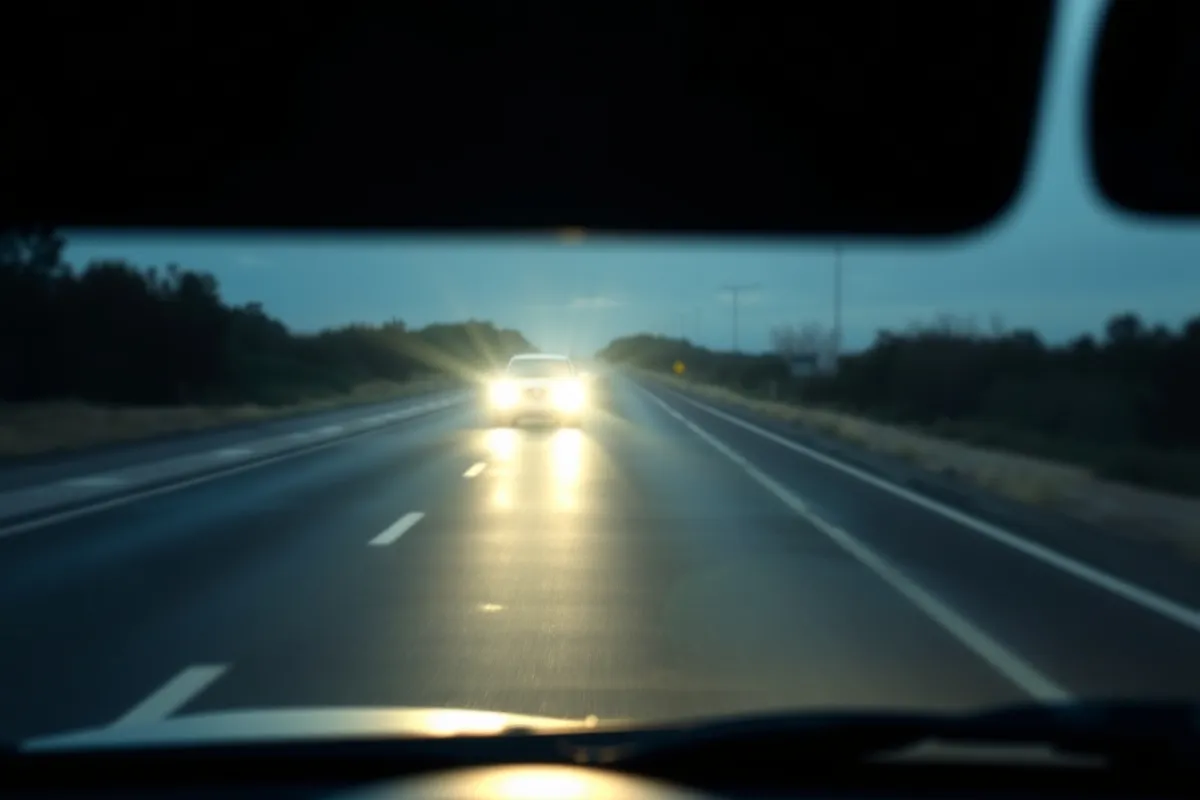
Do not stare at oncoming headlights. Look down and to the right edge of your lane, following the white line until the car passes, and keep your interior lights off so your eyes stay adapted. Clean the inside of the windscreen to cut glare, and dim your instrument panel to reduce reflection. Fatigue is the greater danger on long night drives: the classic warnings are heavy eyelids, missed exits, drifting and yawning. Stop for a break or a short nap at the first sign. Coffee helps briefly, but only sleep truly fixes tiredness.
"At 60 mph your car covers 88 feet every second. Glare, fatigue and a dark road together can spend that second before you have decided anything."
10-12: Anticipate hazards
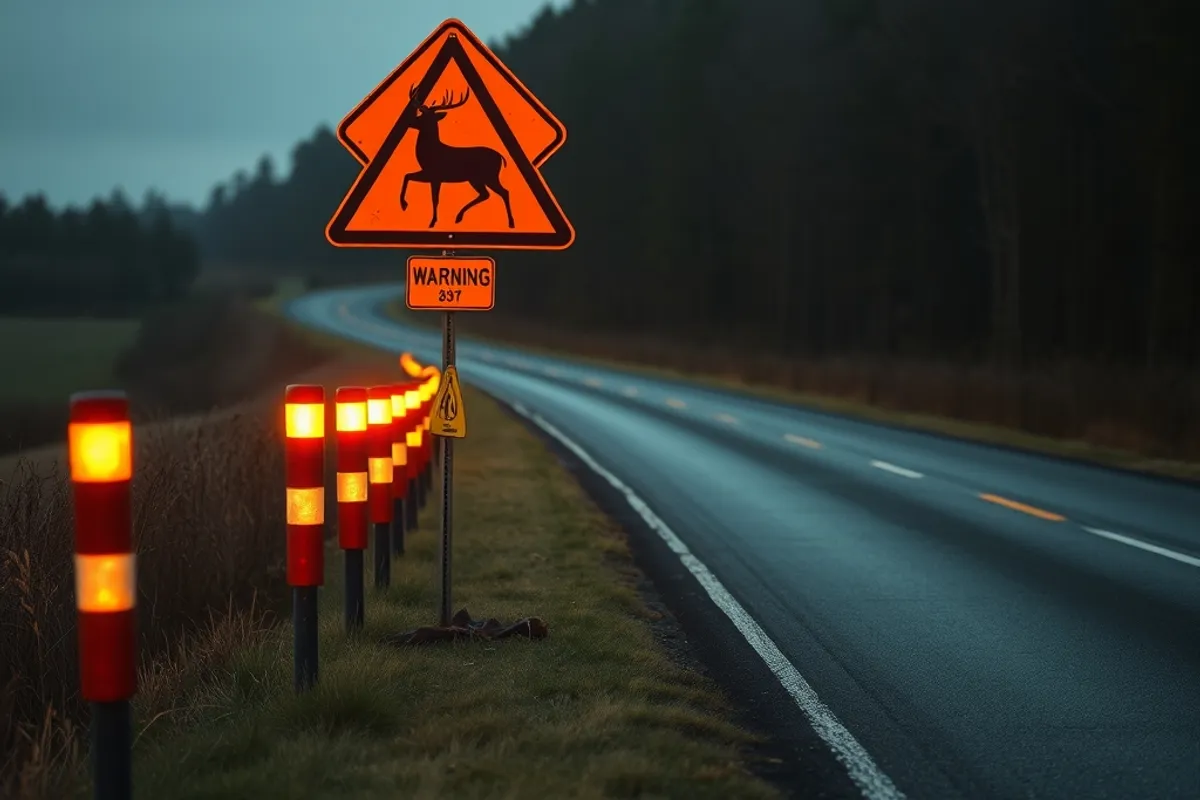
Watch the road edges, not just the centre, because unlit pedestrians, cyclists and animals come from the sides. Reflective clothing and reflective posts help, but assume that anything unlit is invisible until it is close. Watch for animal behaviour at dusk and dawn especially, and know that a single deer crossing usually means more behind. Slow for blind crests, bends and dips where you cannot see the surface. On rural roads, use the verge and treeline as a guide and read the curves ahead rather than reacting to them at the last moment.
Technology that helps at night
Automatic high beams are genuinely useful where they switch accurately, but they can be slow on some cars, so be ready to dip manually. Adaptive headlights that bend with the steering spread light through corners well. A reversing camera and rear cross-traffic alert help in dark car parks more than you would expect. Confirming independent safety ratings at NHTSA for the vehicles you are comparing is a good habit, but no rating replaces good lighting and an alert driver. Screen brightness should be low enough not to wash out your night vision.
Planning a night journey
Plan long night trips around your body clock, leaving earlier rather than driving when you would normally be asleep. Share the driving if you can, and build in a break every two hours. Avoid heavy meals before a night drive, keep the cabin cool enough to stay alert, and skip alcohol entirely, since even a small amount increases drowsiness and reaction time. Carry a small torch, a reflective triangle and a high-visibility vest for breakdowns, and get out of the car on the safe side if you must stop. Preparation turns a risky drive into an ordinary one.
The bottom line
Clean your glass and lights, aim your beams, match speed to visibility, never stare at oncoming traffic, and treat fatigue as seriously as alcohol. Add reflective or high-visibility gear for breakdowns and plan your rest. Night driving is manageable with the right habits, and the driver who slows down is the one who gets home. More advice waits in the child car seat guide and the Road Safety section.