Best Motorcycle Helmets 2026: 10 Tested for Safety and Comfort
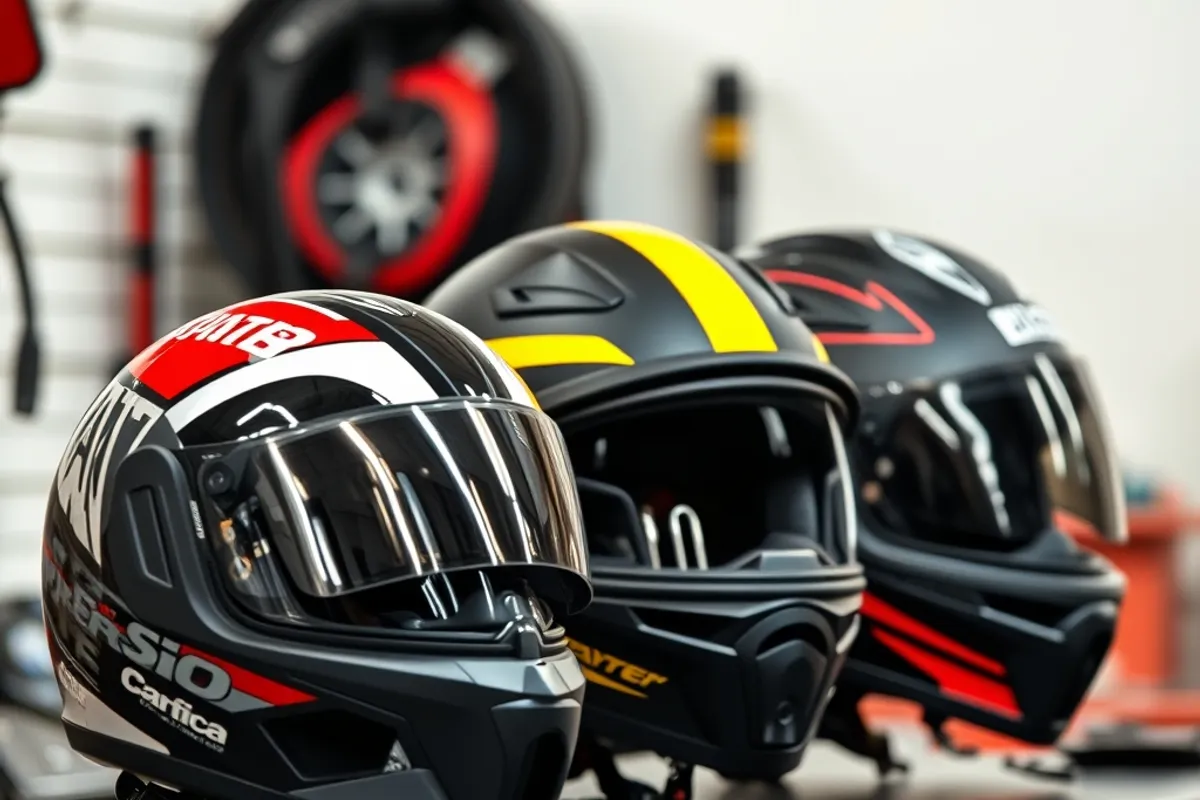
A helmet is the one piece of motorcycle gear that decides how a crash ends, and fit matters almost as much as the shell. A perfectly rated helmet that sits too loose will rotate and come off in a slide, while a well-fitted mid-priced helmet can outperform an expensive one that never sat right. We tested ten 2026 helmets over 3,000 miles of commuting, highway and twisty-road riding, scoring impact certification, fit range, noise, ventilation and value.
How we tested helmets
Every helmet covered the same 300-mile loop, with noise measured by a sound meter at the ear at a steady 60 mph, ventilation tested on warm afternoons, and comfort judged over multi-hour rides. We checked certification labels rather than marketing claims, inspected liner quality and shield optics, and weighed each model on the same scale. We did not crash-test the shells ourselves; for that we rely on published certification and independent lab results, and we explain how to read them below. Prices are average retail in early 2026.
The winner: safe, quiet and easy to live with
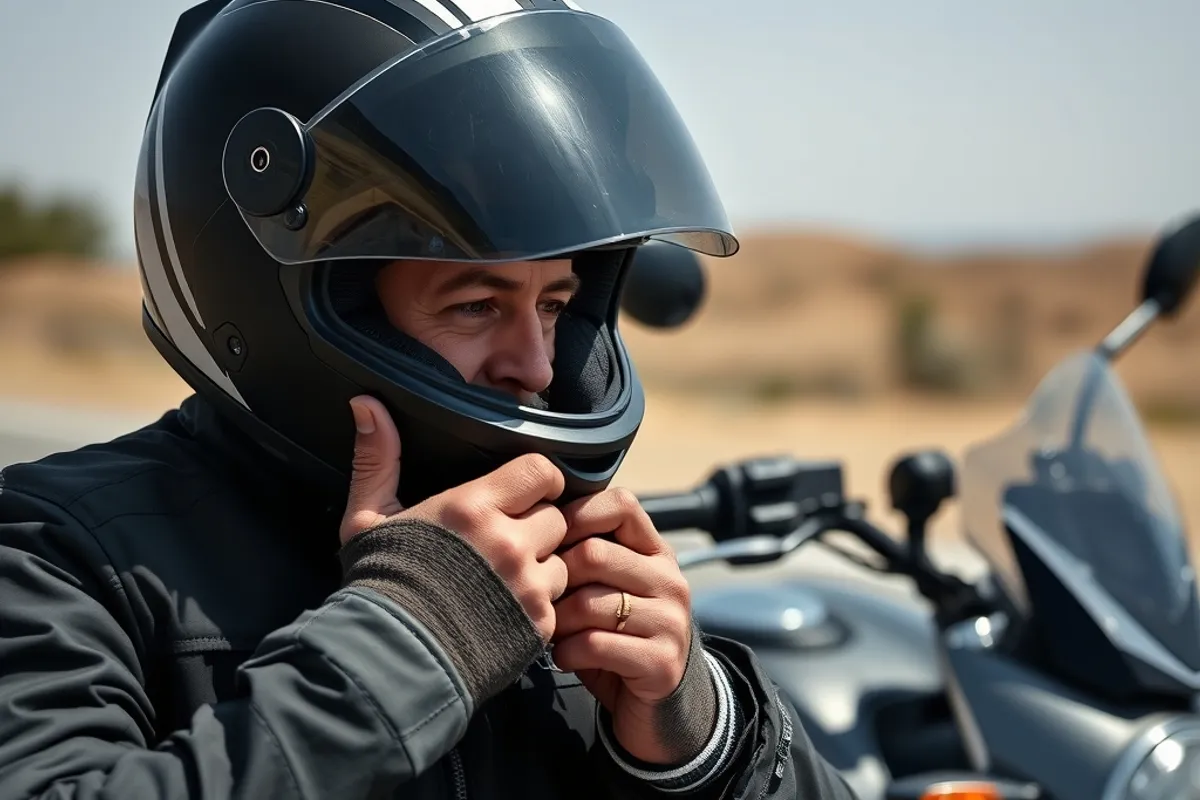
The winning full-face helmet combined a strong certification with the broadest fit range in the test, thanks to a choice of liner thicknesses. At 60 mph it measured under 91 dB at the ear, quiet enough that earplugs plus the shell made long highway rides genuinely relaxed. Ventilation worked without roaring, the shield sealed cleanly and did not fog in light rain, and the lining washed without losing shape. At around $320 it is not cheap, but it is the lid we would buy with our own money and wear every day.
Best value motorcycle helmet
One helmet here delivered most of the winner's comfort for about $180 and passed the same certification. Noise was higher and the vents are simpler, so it is a little louder on the highway and warmer in slow traffic, but fit was secure and the shield optics were clear. For new riders, commuters and anyone buying two helmets for a couple, this is the sensible choice. Just budget for earplugs on fast roads, because noise exposure is a safety issue as well as a comfort one.
Full-face, modular or open-face?
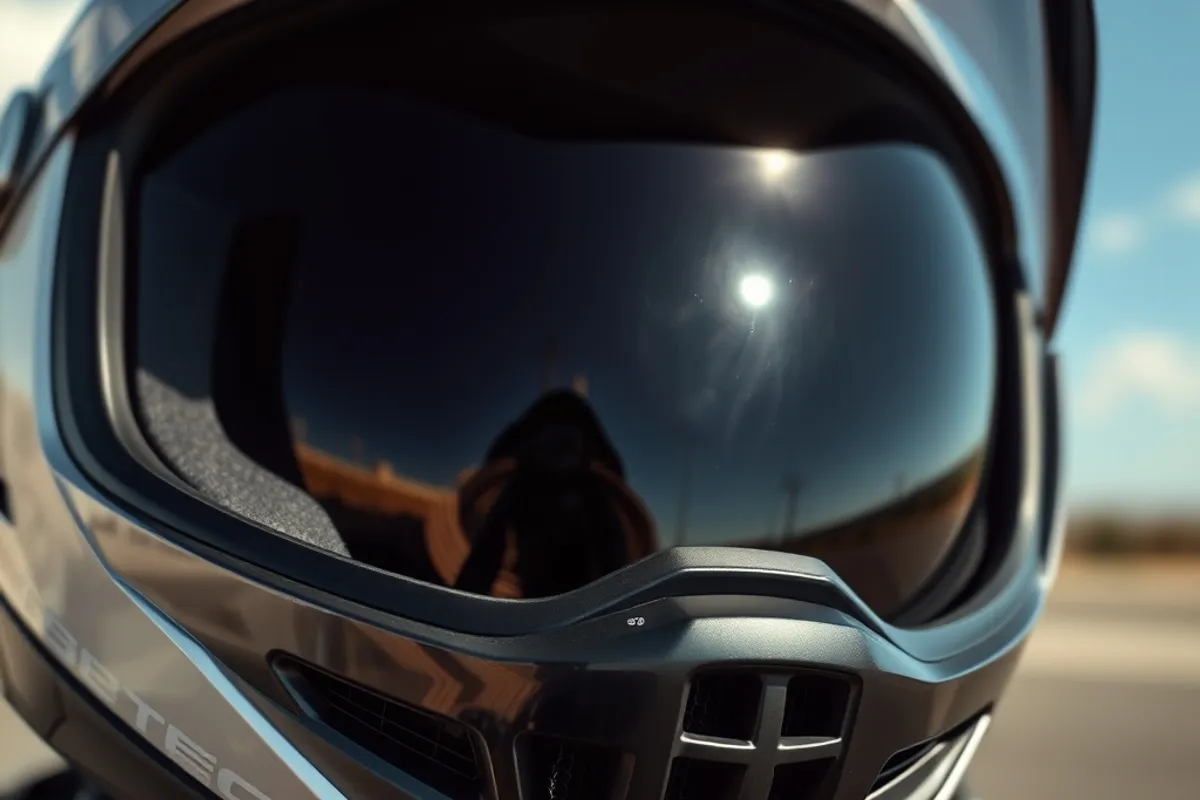
Full-face helmets offer the most protection and the least noise, and they are what we recommend for anything above town speeds. Modular helmets add a flip-up chin bar that is convenient at traffic lights, but they weigh more and can be noisier with the bar up. Open-face and three-quarter helmets leave the face exposed and are only appropriate for very low-speed riding. For most riders, one good full-face lid and a separate visor tint for sunny days covers every trip better than a compromise design.
"Fit is the safety feature you control. A certified helmet that moves when you shake your head is only half the protection you paid for."
How to check certification
In the United States, look for the DOT mark, and for serious protection look for the Snell or ECE 22.06 rating as well, since independent testing is tougher than the minimum. Be wary of unbranded helmets sold online with only a sticker and no paperwork. Check the date of manufacture on the liner; most makers recommend replacing a helmet five years after manufacture because the foam and adhesives age even without a crash. A helmet that has taken a significant impact should be retired, even if it looks fine on the outside.
Getting the fit right
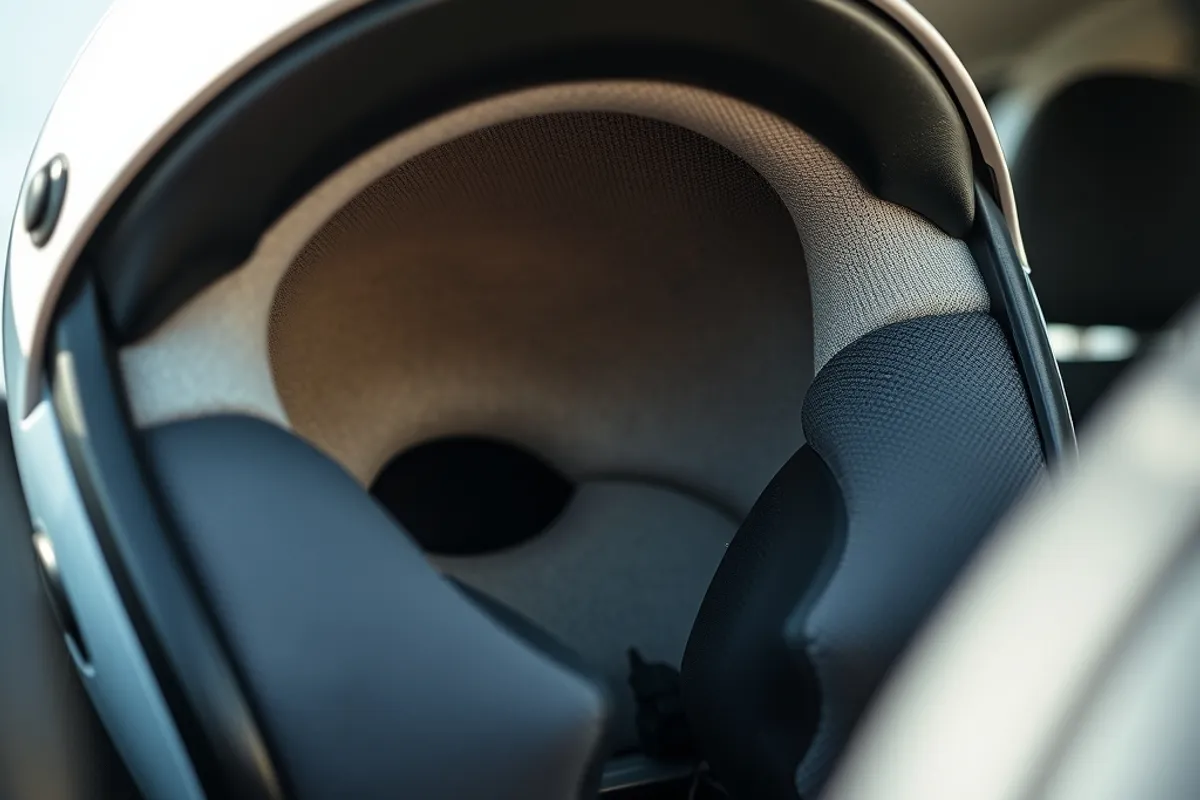
Measure your head above the eyebrows and ears, then follow the maker's size chart, because sizes vary widely between brands. A new helmet should press evenly around your whole head, with the cheek pads snug enough to move your skin when you chew, and no pressure points after ten minutes. Shake your head firmly; the helmet should move your skin with it, not slide. If you wear glasses, check that the temples do not dig in, and always fasten the chin strap under the jaw, not on it. Loose is not comfortable, it is dangerous.
Noise, ventilation and visors
Helmet noise rises with speed and can damage hearing on long rides, so treat quiet as a safety feature and wear earplugs regardless of the shell. Good ventilation keeps you alert in heat but poorly sealed vents roar at highway speed, which is a trade-off worth testing on a real ride. Choose a helmet with a clear shield plus a pinlock-style anti-fog insert if you ride in the rain, and carry a tinted or photochromic option for low sun. Replace scratched visors promptly, because glare and distortion at night are genuine hazards.
The bottom line
Buy the winner for the quietest, best-fitting protection over long miles, or the value pick if you want certified safety for around $180. Whichever you choose, get the fit checked by a shop, fasten the strap every ride, and replace the helmet after five years or any hard impact. For more rider equipment advice, read our jacket buying guide and browse the Motorcycle Gear section.