Motorcycle Jacket Buying Guide 2026: Armor That Actually Fits
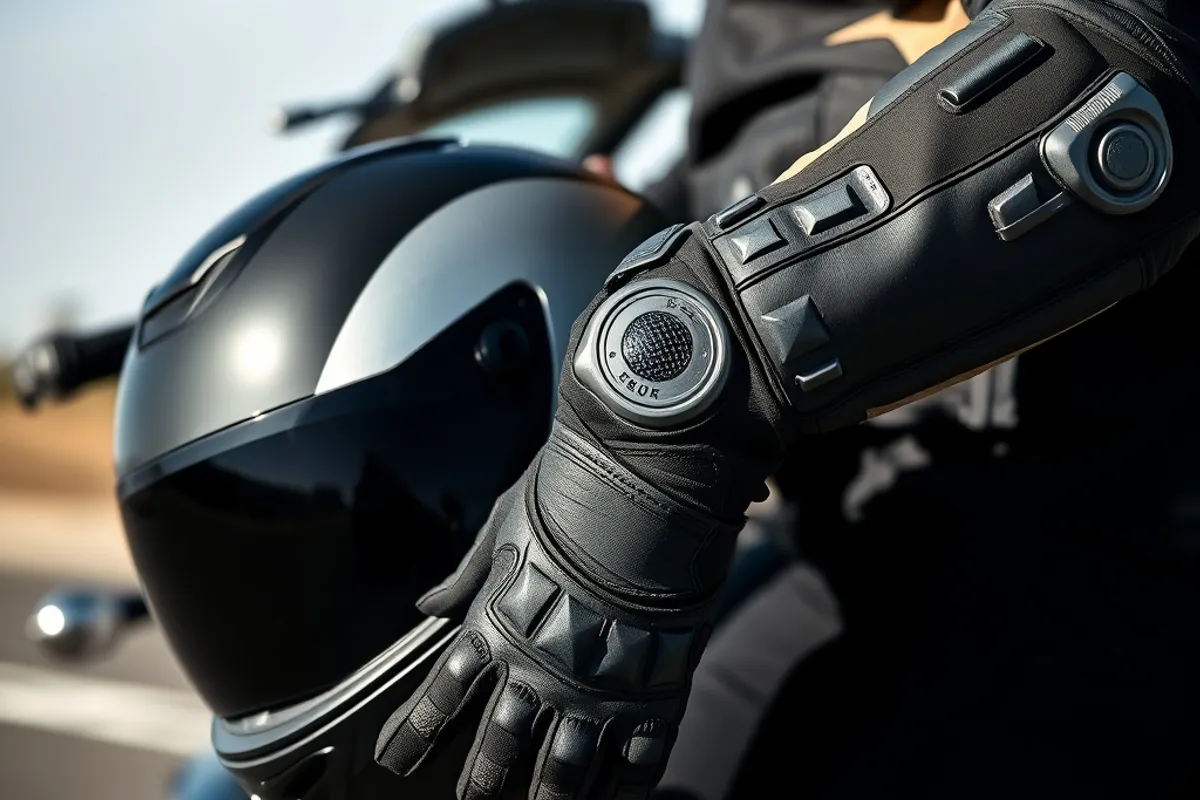
Most riders spend far more time choosing a bike than a jacket, yet the jacket is what stands between your skin and the road in a slide. The good news is that protection has never been more affordable: quality armor, certified abrasion resistance and weather sealing have all moved down the price range. The catch is that a jacket only protects you when the armor stays in place, so fit and adjustment matter more than the badge on the sleeve. This guide explains what to look for in 2026.
Start with the armor
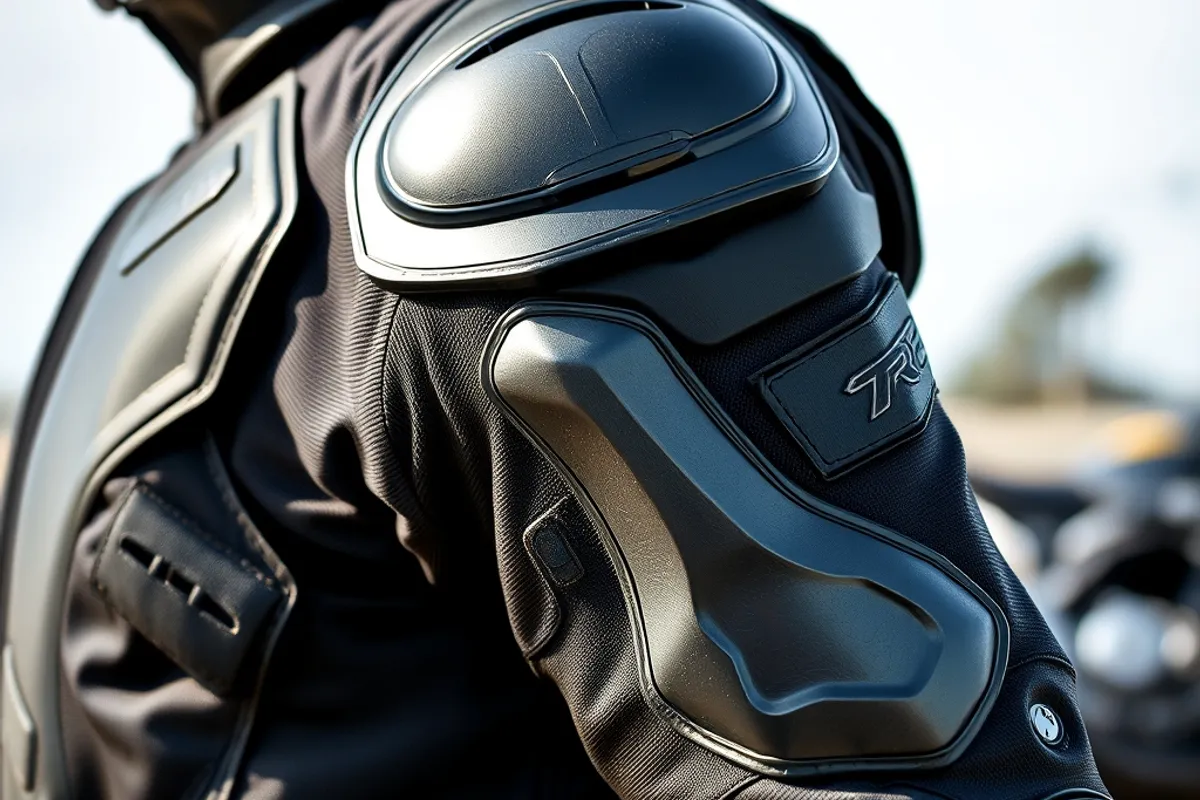
Look for shoulder, elbow and back armor rated to a recognised standard rather than generic foam padding. Level 1 protectors are the baseline; Level 2 absorbs more energy and is worth the small premium for the back. Check that the armor pockets hold the protectors tightly in the position you need them, because armor that shifts during a fall protects nothing. A separate full back protector is a genuine upgrade on most jackets, and many riders fit one before they upgrade anything else.
Fit beats price
A jacket should be snug with the armor sitting over your shoulder points, elbows and spine, but with enough room for a base layer and a heated vest in winter. Adjust the waist and arm straps so the armor cannot rotate, then sit on the bike and reach for the bars; nothing should ride up or bind. Textile jackets often size generously, so try before you buy or use a shop with free returns. If the sleeves pull short when you reach forward, the jacket is too small regardless of the label.
Abrasion resistance and materials
Leather still offers excellent abrasion resistance but is heavy and needs care in the rain. Modern textile jackets use reinforced fabrics with a high abrasion rating and are lighter and more weatherproof, which is why they dominate commuting. Look for a clear statement of abrasion performance rather than marketing adjectives, and favour jackets with reinforced panels at the shoulders, elbows and hips. Mesh jackets suit hot climates but only if the mesh itself is abrasion-rated; ordinary sports mesh will shred on contact with tarmac.
"The most protective jacket in the shop is worth nothing if the armor has slid off your elbow by the time you hit the ground."
Weather protection and versatility
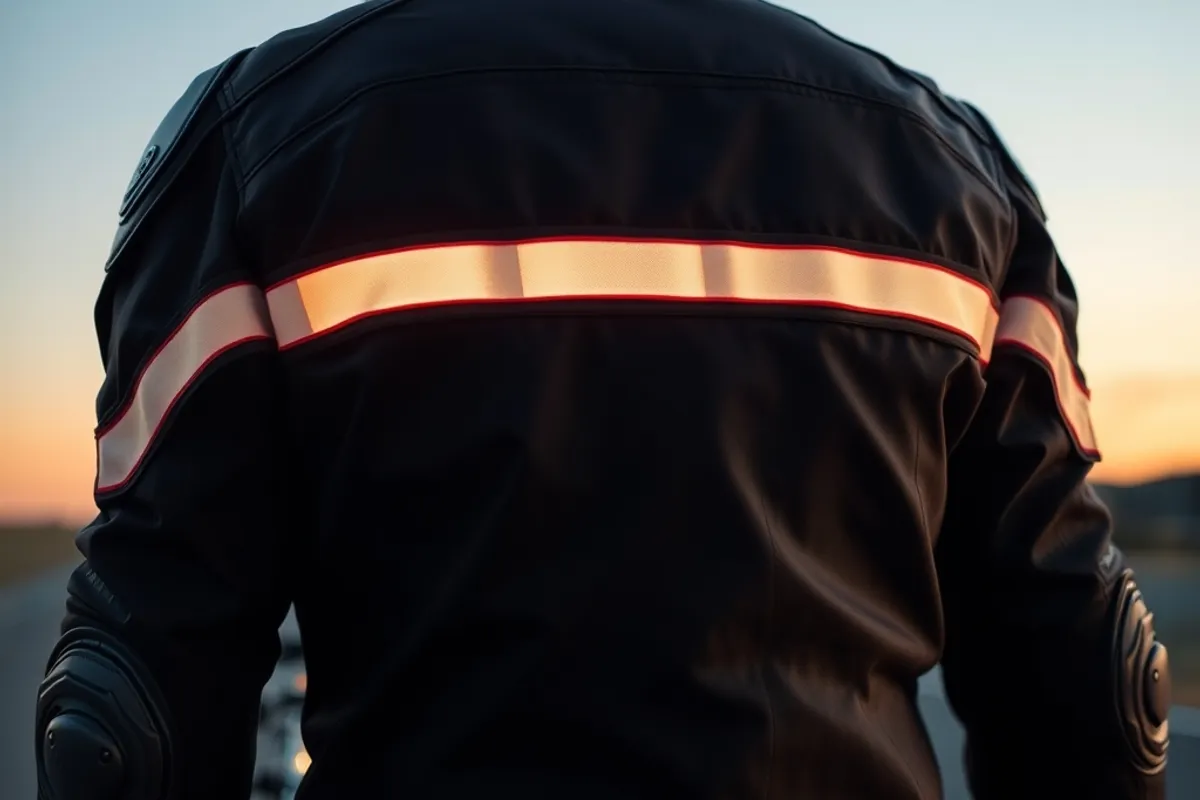
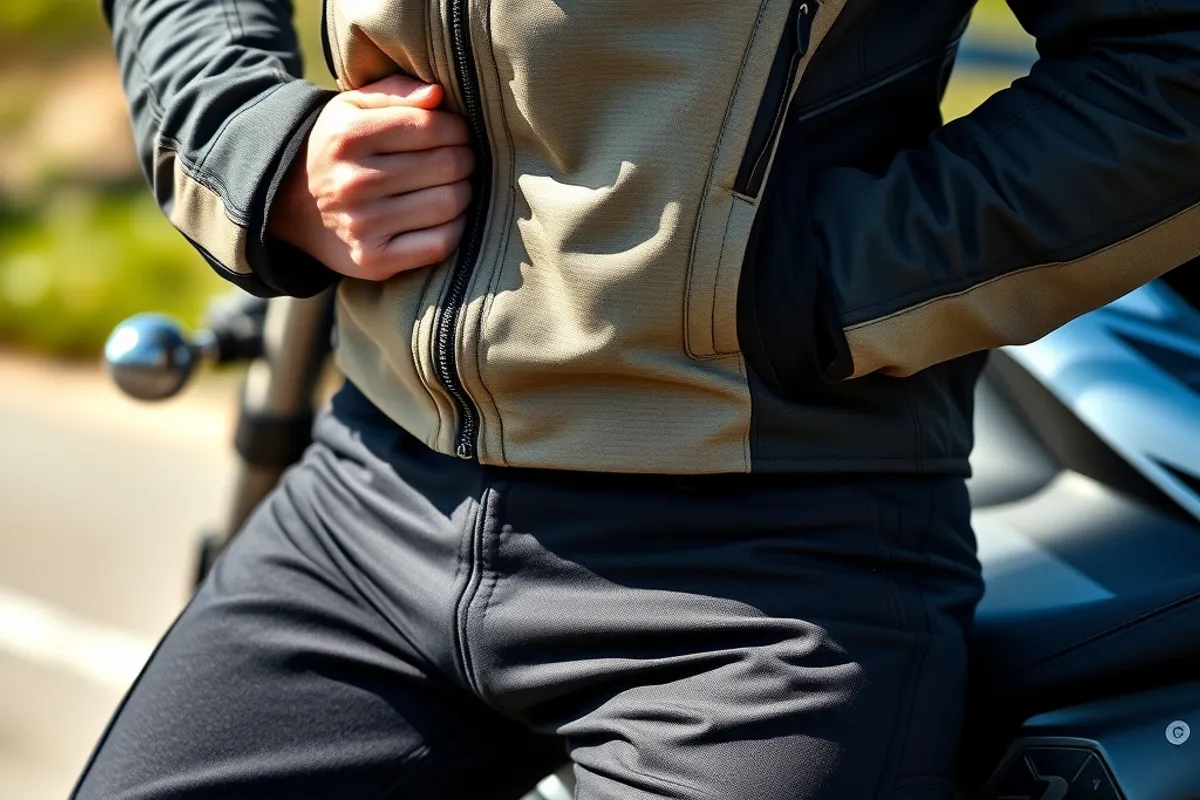
A waterproof yet breathable liner keeps you riding through showers without overheating, and removable thermal liners extend a jacket across three seasons. Sealed zips and a storm flap over the front closure prevent water wicking in at speed. Reflective panels make a real difference at dusk and in rain, and a short connection zip lets you join the jacket to riding trousers so it does not ride up in a slide. Ventilation is essential in warm weather; good jackets have both vents and a removable waterproof layer.
Gloves, trousers and the rest
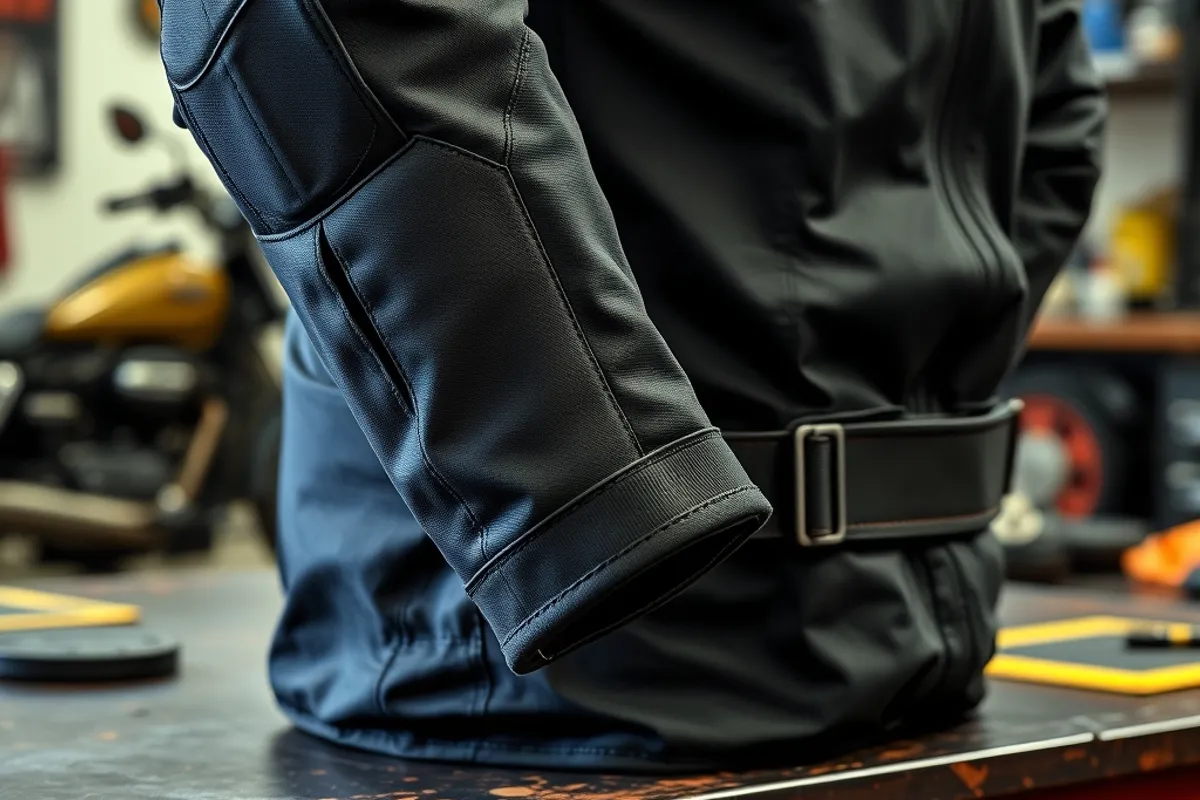
A jacket only protects the areas it covers, so match it with certified gloves that overlap the cuffs, riding trousers with knee and hip armor, and proper boots that cover the ankle. Avoid gaps between garments; a slide usually finds them. Think of the set as one system: the jacket, trousers and gloves should connect or overlap so nothing separates when you fall. Buying the whole set from the same range often costs less than mixing brands and guarantees the zips align.
Care and lifespan
Clean textile jackets with a dedicated technical wash, never a hot machine cycle with detergent, which strips water-repellent finishes. Leather needs periodic conditioning and should be dried away from direct heat. Inspect armor after any impact and replace protectors that have taken a hit; the foam compresses and loses efficiency even if the shell looks fine. Keep zips lubricated and check the stitching around the armor pockets, because that is where years of use show first. A well-cared-for jacket lasts five to eight years of regular riding.
The bottom line
Buy a certified jacket that fits snugly with armor that stays put, add a proper back protector, and make sure it zips to your trousers. You can start around $150 and spend more only for better sealing and lighter materials, not for safety you cannot measure. Pair it with a well-fitted helmet from our helmet test, and read more in the Motorcycle Gear section.